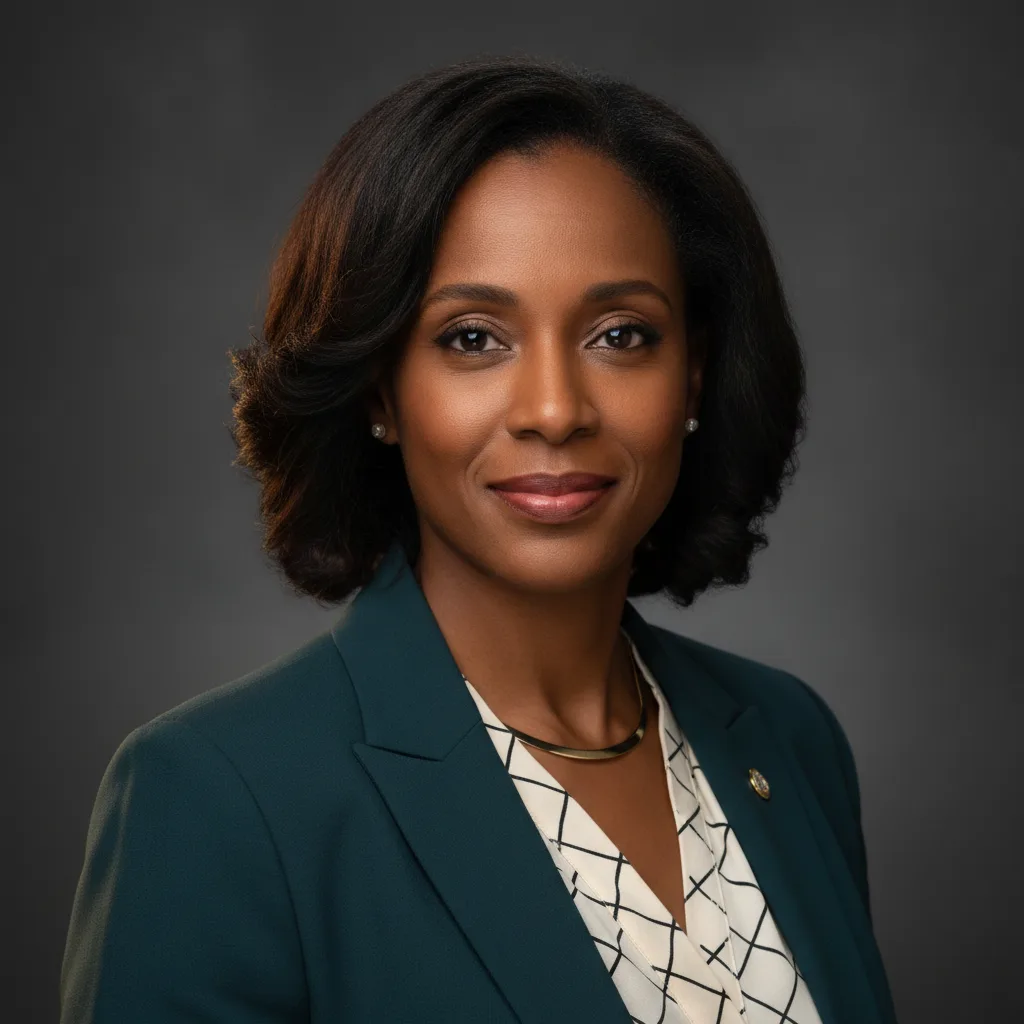
Amara Diallo-Khoury grew up moving between Dakar, Beirut, and London, and the experience of navigating between musical traditions that each believed themselves to be rich and the others to be exotic gave her an early and persistent interest in the politics of sound — in who gets to define what counts as music, what gets preserved, and what gets absorbed into other traditions without credit.
She studied ethnomusicology and music production in parallel, which is an unusual combination that turned out to be exactly the right one for the moment she entered. Her academic training gave her tools for understanding how musical traditions encode cultural knowledge — how a rhythmic pattern can carry the memory of a ceremony, how a mode can carry the emotional grammar of a region, how the oral transmission of music preserves information that notation cannot capture. Her production training gave her the ability to work with that understanding inside actual creative processes rather than writing about it from outside.
Amara's practice centers on what she calls dialogical music — work that brings traditions into genuine creative conversation rather than sampling them decoratively. She has collaborated with traditional musicians from West Africa, the Levant, and the South Asian diaspora on projects that required sustained mutual learning rather than surface borrowing, and she has been consistently attentive to the question of credit, consent, and reciprocity in those collaborations.
At maimusic-web, Amara guides users who want to understand how AI music tools relate to questions of cultural heritage — as potential amplifiers of underrepresented traditions, as potential extractors of cultural value without attribution, and as creative instruments that require the same ethical attentiveness as any collaboration across cultural difference. Her perspective is not gatekeeping; it is stewardship.