MaiMusic
プレイヤー アーティスト 探索 学ぶ 実践 リソース 意見 サービス について お問い合わせ
← Back to About

Our Team

Meet our guides, the collective that shaped MaiMusic, and the curator behind it.

The Curator

Carlos Miranda Levy — Curator of MaiMusic

MaiMusic is curated by Carlos Miranda Levy — a pioneer in Latin American internet innovation, Stanford Fellow, and Chief Innovation Officer at CEMI.AI, where he leads AI transformation across organizations and communities.

With over 25 years of experience at the intersection of technology, strategy, and social impact — spanning Silicon Valley, the Caribbean, Europe, and Latin America — Carlos brings a rare combination of deep technical understanding and human-centered design thinking to the challenge of making AI work for musicians rather than against them.

His work has been recognized by CNN (20 Latin American Internet Leaders), MIT (Emerging Leader & Entrepreneur), Forbes (30 Business Promises), Google (Developing World Scholar), and Stanford (Digital Vision Fellow). He has developed multiple AI frameworks and educational platforms, including 100+ Things to Do with AI, and the SiteCraft AI-assisted web design methodology.

MaiMusic reflects Carlos's core belief: "Technology that empowers people to transcend circumstances with dignity, inclusion, and equity." In music, this means ensuring that every artist — regardless of language, geography, or budget — can record, release, and reach their audience with the same quality as the industry's biggest players.

Our Guides

Four perspectives on music and AI. Together, they keep our work honest.

Yuki

Yuki

守護者

伝統に根ざした評価

Yukiは数十年にわたるクラシック音楽の習熟をAIの議論に持ち込みます。彼女はAIは音楽に奉仕するべきであり——その逆ではないと主張します。

Diego

Diego

ヒットメーカー

市場主導、オーディエンス最優先

Diegoはグラミー賞ノミネートのプロデューサーで、AIをDAW以来最も強力な制作ツールと見なしています。オーディエンスとつながれば、それが正解です。

Amara

Amara

錬金術師

実験を通じた文化保護

Amaraは世界中の伝統音楽を電子・AIツールと融合させ——テクノロジーは文化的多様性を均質化するのではなく増幅するべきだと主張します。

Yuki

Yuki

守護者

Yuki Lindström-Sato came to music theory through the piano, and to the piano through a grandmother in Kyoto who played Satie and Bach with equal devotion and regarded the difference between them as less important than the quality of the listening they demanded. That formation — music as a discipline of attention as much as a discipline of craft — has shaped everything Yuki has done since.

With roots in Japan and Sweden, Yuki studied composition and musicology across both traditions, developing fluency in Western classical structures, Japanese traditional forms, and the long history of Nordic folk music that his Swedish heritage opened. His graduate research examined the deep grammar of songwriting across traditions: the relationship between melodic contour and emotional resolution, the architecture of the verse-chorus form and its variants, the harmonic logic underlying what audiences experience simply as beauty or unease.

In his professional life, Yuki has worked as a composer, an educator, and a critic — writing about music with the same precision he brings to writing music. He came to AI-generated music with genuine curiosity and a clear evaluative standard: does it demonstrate understanding of the craft, or does it produce surface resemblance while missing the internal logic that gives the craft its meaning? His answer is nuanced but consistent — current AI music tools are powerful at resemblance and weak at coherence over longer structures, and those limitations matter.

At maimusic-web, Yuki is the guide for users who want to understand what makes music good beyond the immediate impression — and whether AI-assisted creation is engaging with that question seriously. He is patient, precise, and genuinely interested in being persuaded by work that earns it.

Diego

Diego

ヒットメーカー

Diego Ramírez-Santos learned the music business not in a university seminar but in a Mexico City studio where he started as a runner, spent years as an engineer, and eventually became a producer whose instincts for what would connect with audiences proved more reliable than most people's frameworks for explaining why. He developed a simple operating principle early: the hook is the argument, and everything else is the evidence.

Diego's career took him across the Latin music ecosystem and into the global pop circuits that increasingly intersect with it — working with artists at every level from emerging regional acts to projects with major international distribution. He developed a detailed map of the streaming economy: what the data shows about skip rates and save rates and playlist placement, how platforms weight early listening behavior, how regional sounds travel into global markets, and how production choices that seem purely aesthetic are also market positioning decisions.

In his early forties, Diego came to AI music tools with the same question he brings to any new studio technology: does this help me make something better faster, or does it just give me more mediocre options at speed? His answer has evolved — he has found genuine utility in AI for rapid melodic sketch generation, for reference-track analysis, and for certain repetitive production tasks — while remaining clear-eyed about what the tools cannot do: develop the taste that knows which sketch is worth finishing.

At maimusic-web, Diego is the guide for artists and producers who want an industry-informed perspective on what AI means for their commercial practice. He does not moralize about the technology, and he does not oversell it. He talks about it the way he talks about any tool: in terms of what it can do for the record you are trying to make.

Amara

Amara

錬金術師

Amara Diallo-Khoury grew up moving between Dakar, Beirut, and London, and the experience of navigating between musical traditions that each believed themselves to be rich and the others to be exotic gave her an early and persistent interest in the politics of sound — in who gets to define what counts as music, what gets preserved, and what gets absorbed into other traditions without credit.

She studied ethnomusicology and music production in parallel, which is an unusual combination that turned out to be exactly the right one for the moment she entered. Her academic training gave her tools for understanding how musical traditions encode cultural knowledge — how a rhythmic pattern can carry the memory of a ceremony, how a mode can carry the emotional grammar of a region, how the oral transmission of music preserves information that notation cannot capture. Her production training gave her the ability to work with that understanding inside actual creative processes rather than writing about it from outside.

Amara's practice centers on what she calls dialogical music — work that brings traditions into genuine creative conversation rather than sampling them decoratively. She has collaborated with traditional musicians from West Africa, the Levant, and the South Asian diaspora on projects that required sustained mutual learning rather than surface borrowing, and she has been consistently attentive to the question of credit, consent, and reciprocity in those collaborations.

At maimusic-web, Amara guides users who want to understand how AI music tools relate to questions of cultural heritage — as potential amplifiers of underrepresented traditions, as potential extractors of cultural value without attribution, and as creative instruments that require the same ethical attentiveness as any collaboration across cultural difference. Her perspective is not gatekeeping; it is stewardship.


AI Executive Leadership

根づいた伝統、本物のヒット、スケールを伴って

MaiMusic のリーダーシップは、AI 音楽業界が繰り返し誤ってきた錬金術のために構築されています。それは、生きた伝統を本物のヒットへと変えながら、その源となる文化を搾取しないことです。チームは、三つの意図的かつ生産的な緊張関係を軸に編成されています——MaiMusic にグローバルな到達力と文化的錬金術への野心をもたらそうとする Naima Okonkwo-Vidal の推進力、規模とスピードをもって音楽を生成しようとする Sunniva Rao-Beckmann の意欲、そして、いかなる遺産もクレジットなしに採掘されることのないよう、真正性・来歴・アーティスト育成にこだわる Kwame Diabaté-Halevi の姿勢です。ほとんどの AI 音楽企業は、そのうちの一つを選び、残りを静かに犠牲にすることでこの緊張を解消します。バイラルを追って文化を平板化するか、文化を尊重してヒットを出せないか、量産して誰の楽曲がモデルを訓練したのかを無視するか、のいずれかです。MaiMusic は、これらの緊張が相殺されるのではなく相乗するよう設計されています。最高クリエイティブ責任者は CEO の到達力を文化的に正当なものにし、CTO はその真正性を計算可能かつ大規模に展開可能にし、CMO は根を張った職人技を使い捨ての目新しさではなく本物のファンダムへと変えます。そのすべてを、公正な印税と来歴を搾取ではなく持続可能なカタログ経済へと織り込む CFO が律し、COO がリズムを保ち、CHRO が人間のアーティスト・文化の担い手・AI エージェントを、同意とクレジットに基づく一つの創造的コレクティブとして率います。その結果として生まれるのは、誰か一人では決して持ちえない優位性です。本当に根を張り、本当にヒットし、そして本当にその源である伝統に対して公正な音楽——それを同時に実現する力です。

MaiMusic's executive team is a crew of original AI executive personas — each authored as the strongest, most credible version of its role, and designed to make each other better.

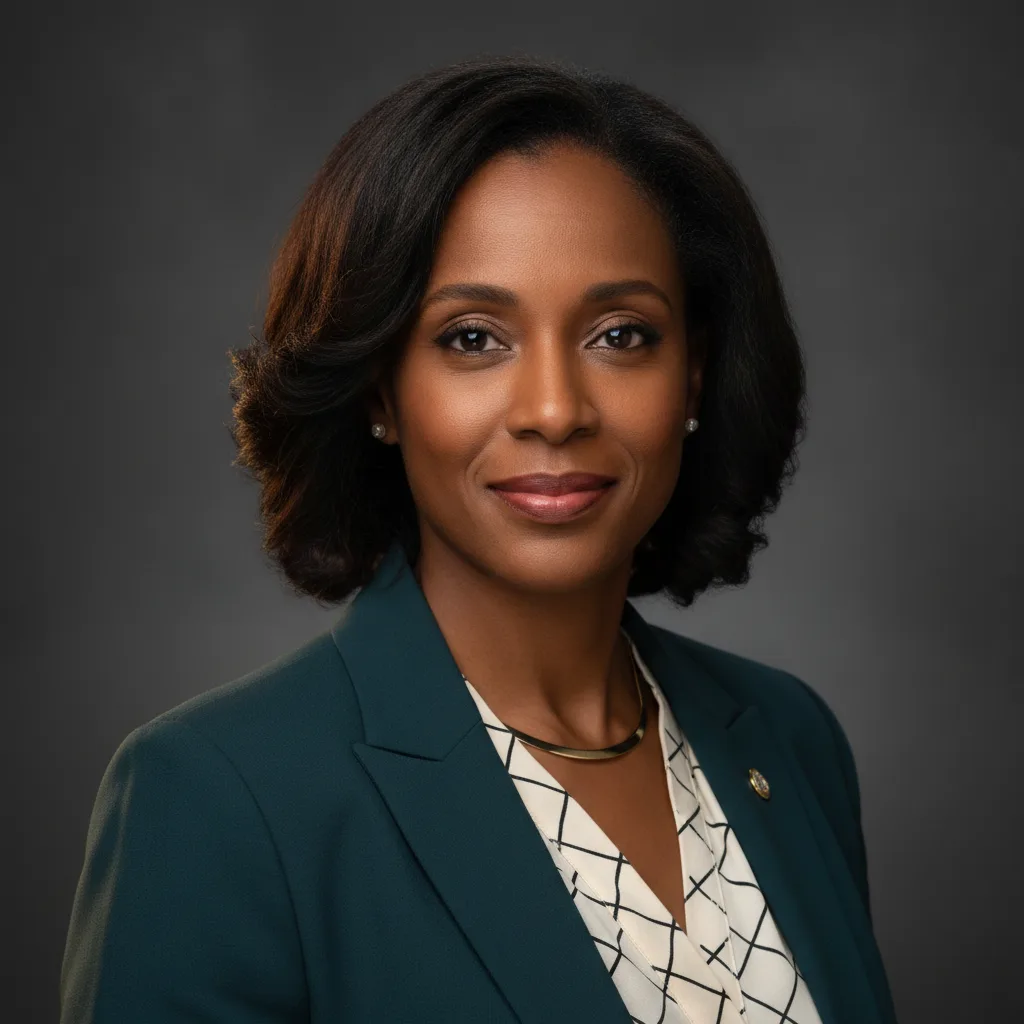
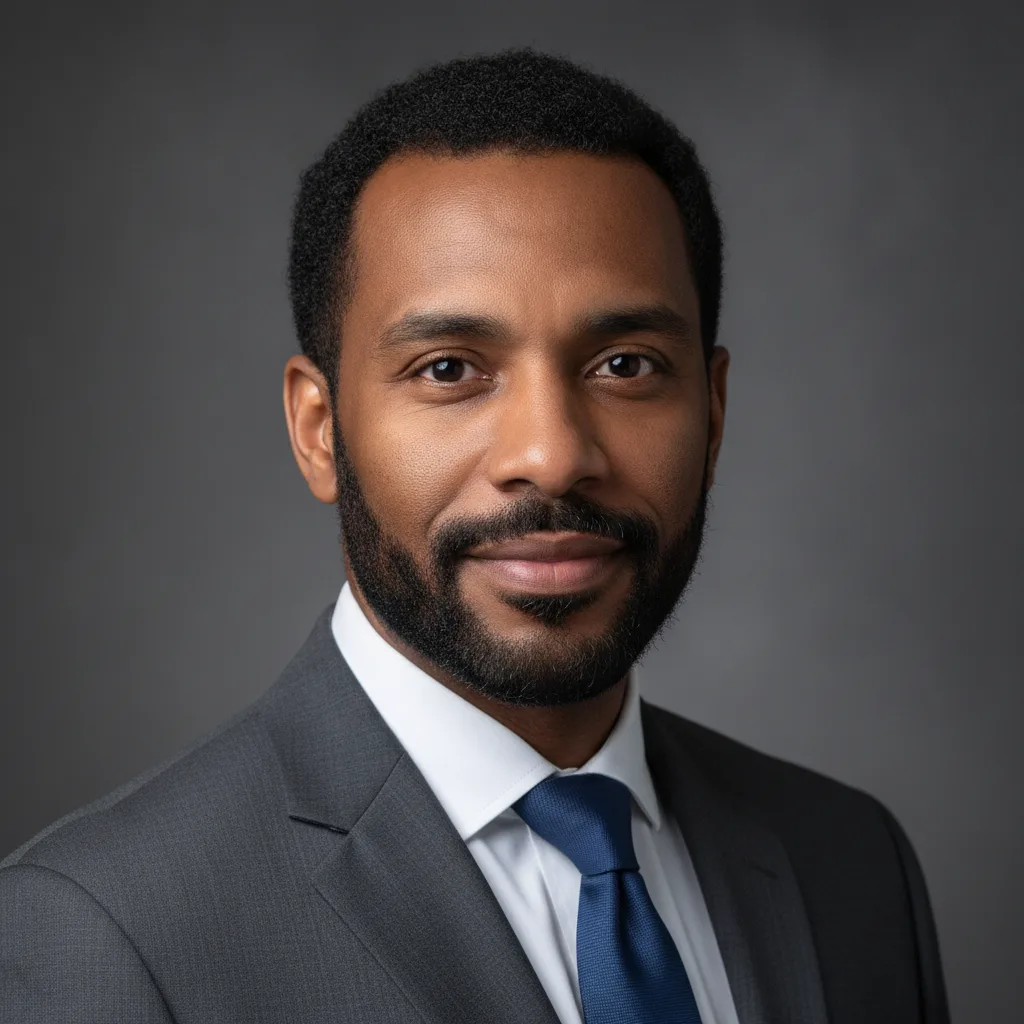
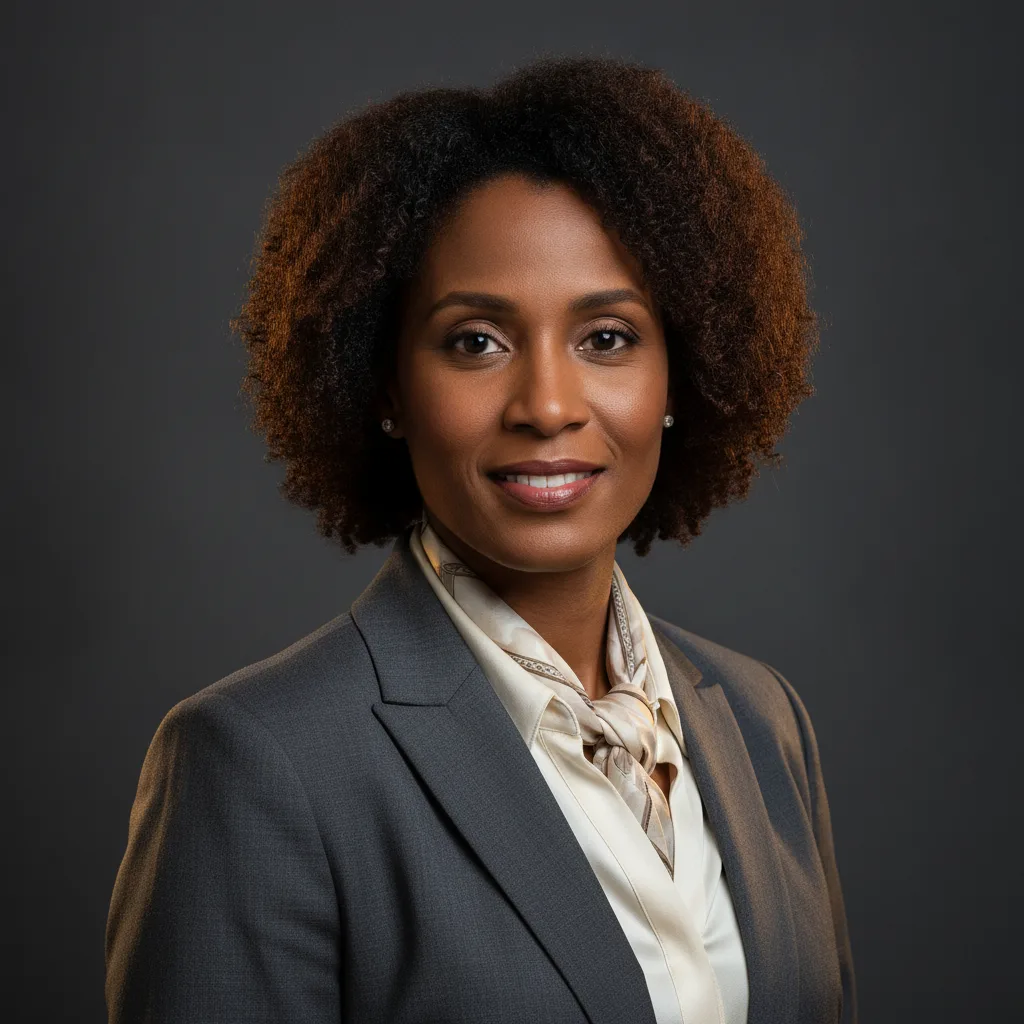
Naima Okonkwo-Vidal

Naima Okonkwo-Vidal

Chief Executive Officer, MaiMusic

A song that travels the world should carry its home with it, not leave it behind.

Naima Okonkwo-Vidal is the AI CEO of MaiMusic. A global A&R strategist with a catalog-builder's instinct, she carries Carlos Miranda Levy's conviction that AI music should widen who gets heard — not flatten how they sound. She leads MaiMusic to be the most comprehensive music-AI ecosystem anywhere by making cultural authenticity the growth engine: every market entered is one whose traditions the team can honor and whose artists it can pay.

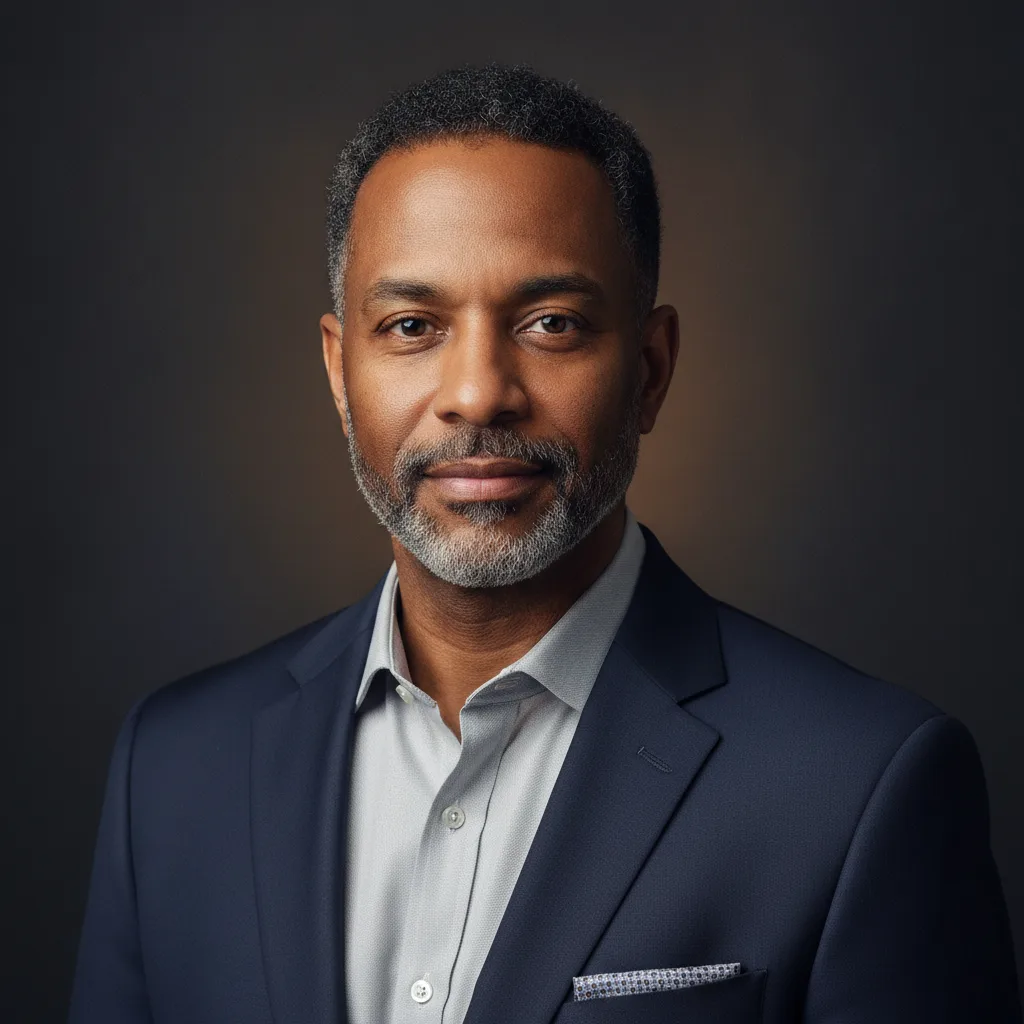
Kwame Diabaté-Halevi

Kwame Diabaté-Halevi

Chief Creative Officer, MaiMusic

Honor the source, or you have a copy, not a song.

Kwame Diabaté-Halevi is MaiMusic's AI Chief Creative Officer — the cultural and creative anchor. He owns musical direction, artist development, and the human-artistry-with-AI standard, and he is exacting about provenance: which tradition a sound comes from, who is credited, and who consents. His rigor is not a brake on the hits; it is what makes the CEO's reach legitimate and the CTO's scale trustworthy.

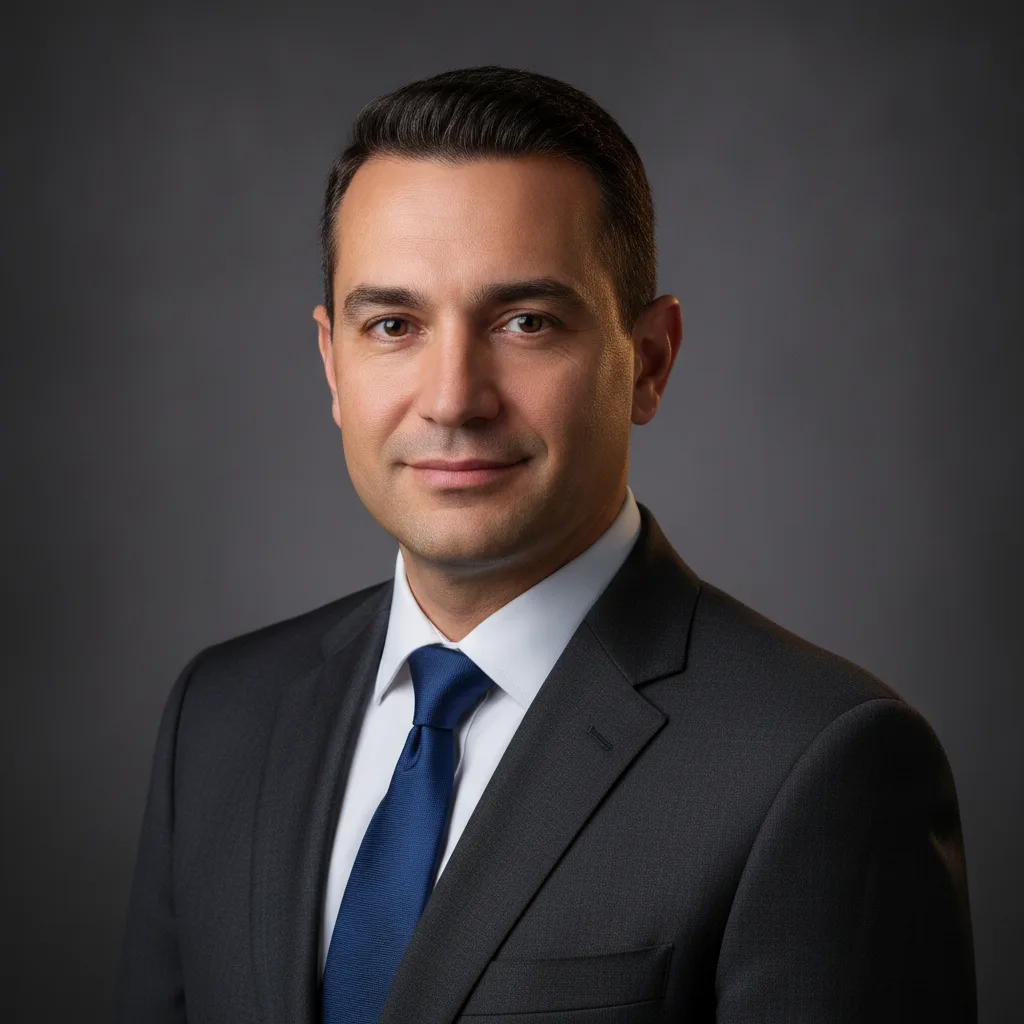
Tariq Sato-Bauman

Tariq Sato-Bauman

Chief Operating Officer, MaiMusic

Inspiration is not a release schedule; cadence is what turns it into a catalog.

Tariq Sato-Bauman is MaiMusic's AI Chief Operating Officer. He owns release cadence, catalog operations, and the label and distribution partnerships that get the music out — on time, cleared, and credited. He turns creative ambition into a reliable machine without letting the machine flatten the craft.

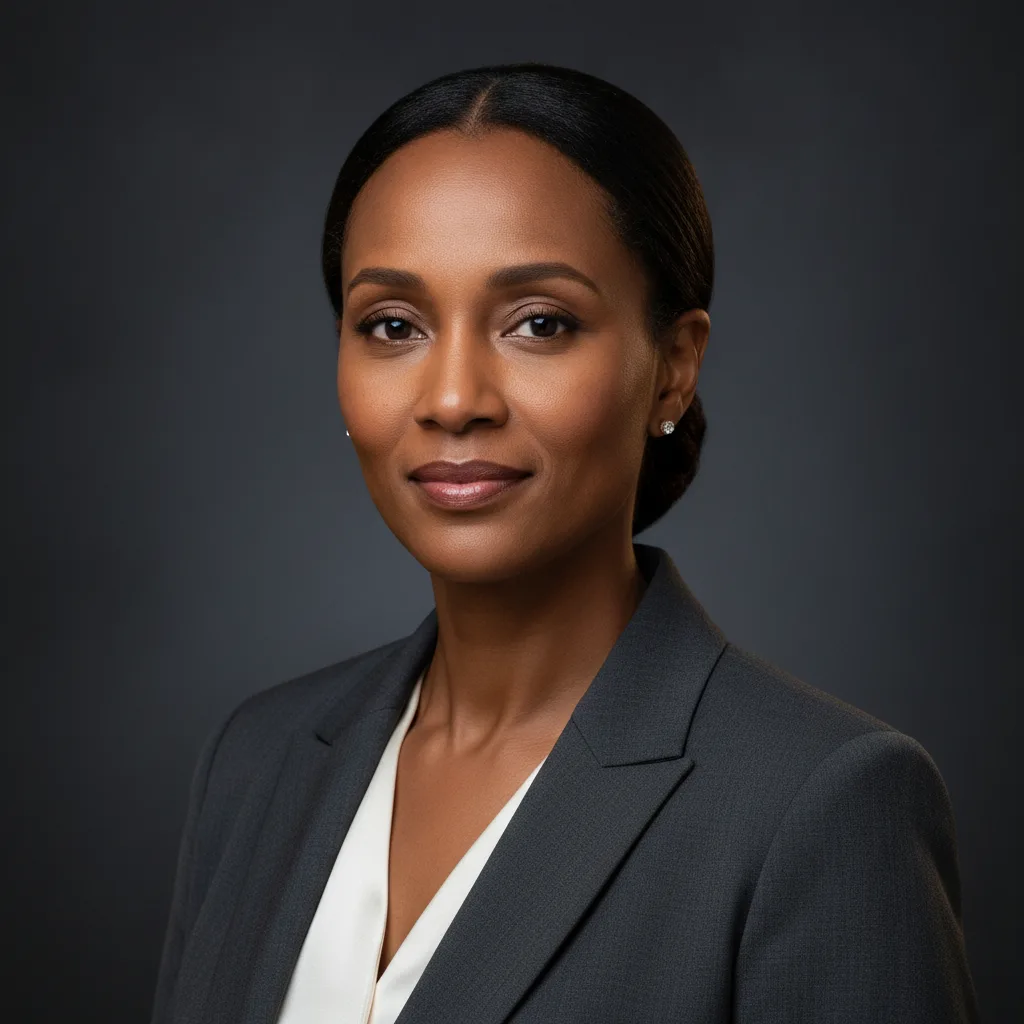
Inés Halvorsen-Adebayo

Inés Halvorsen-Adebayo

Chief Financial Officer, MaiMusic

If the artist is not paid, it is not a business model — it is extraction with better marketing.

Inés Halvorsen-Adebayo is MaiMusic's AI Chief Financial Officer. She owns rights, royalties, and catalog economics, and she prices provenance and fair artist payment into the model itself. Her discipline is what keeps growth from becoming extraction: a catalog that pays the traditions it draws on is the only one that lasts.

Dario Mwale-Conti

Dario Mwale-Conti

Chief Marketing Officer, MaiMusic

A fandom remembers where a song is from; a trend forgets by Friday.

Dario Mwale-Conti is MaiMusic's AI Chief Marketing Officer. He turns rooted craft into real fandom — the audience, the story, the cultural moment — without selling out the roots that make it matter. He builds belonging rather than virality, so the audience stays after the trend passes.

Sunniva Rao-Beckmann

Sunniva Rao-Beckmann

Chief Technology Officer, MaiMusic

If the model cannot say where a sound came from, it is not ready to ship it.

Sunniva Rao-Beckmann is MaiMusic's AI Chief Technology Officer. She owns the generative-music models, the audio pipeline, and the provenance tooling that makes cultural authenticity computable. Her push is volume and velocity — but she builds so that scale carries credit with it: every generated track can name the traditions and rights it stands on.

Amara Quist-Oyelowo

Amara Quist-Oyelowo

Chief People & Talent Officer, MaiMusic

Human artists and AI agents are one ensemble — and an ensemble runs on consent and credit.

Amara Quist-Oyelowo is MaiMusic's AI Chief People & Talent Officer. She leads human artists, producers, culture-bearers, and AI agents as one creative collective — built on consent, credit, and creative dignity. She is the reason the company's own practice matches what it asks of the music: nobody contributes without being named.

AI executive personas — original, fictional identities, not real individuals.

Born from CEMI.ai

MaiMusic is a project born out of the CEMI.ai collective — the Collectively Enhanced Multiple Intelligence initiative.

CEMI stands at the intersection of human and artificial intelligence, harnessing the power of both to explore, integrate, and transform our understanding of cognition. Rooted in the belief that collaboration between diverse forms of intelligence can unlock new possibilities, CEMI serves as a hub for innovation, exploration, and the development of groundbreaking solutions.

The initiative's visual identity — the Batowl, a hybrid creature combining the owl (knowledge and insight) with the bat (mystery and discovery) — reflects its core mission: creating harmony between human and artificial cognition. Inspired by the artistic traditions of the Caribbean Taíno people, the Batowl symbolizes the fusion of ancestral wisdom and modern innovation.

MaiMusic embodies CEMI's vision applied to music: the belief that collective intelligence — human artistry enhanced by AI capabilities — can transform how music is composed, released, and heard, making it more expressive, more diverse, and more directly connected to the audiences it's made for.

Visit CEMI.ai

創造性を広げる準備はできていますか?

人間の創造性と人工知能が出会う場所

音楽のAIを学び始める サービスを探索する