
MaiMusic
プレイヤー アーティスト 探索 学ぶ 実践 リソース 意見 サービス について お問い合わせ
DUO · WAVELENGTH · INTERNATIONAL ANTHEM

NAJMA & REMO

Mandé kora × Afro-Cuban drums duo. The oldest instrument in the room meets the most modern. Both of them are machines for remembering.

A 22-year-old Malian kora virtuoso from a 600-year griot lineage and a 21-year-old Cuban-American drummer with Juilliard training and Lukumí consecration. They met at a Brooklyn jam session in September 2024 and have been playing the same 45-minute conversation ever since.

NAJMA & REMO is

N
Bamako, Mali / Paris, France

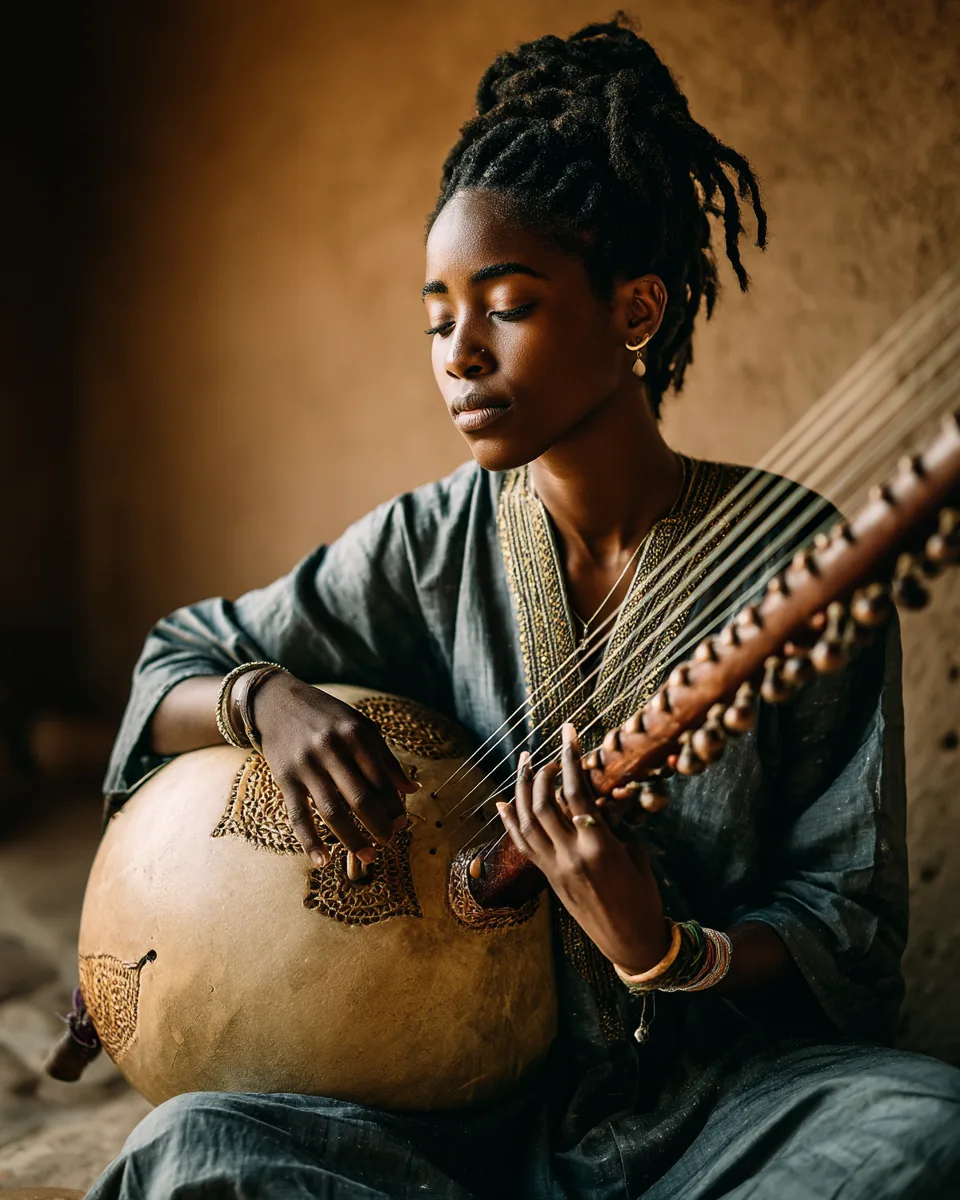
NAJMA

Najma Awa Kouyaté
Kora, Lead Vocals (2 tracks), Co-composer
Bambara · French · English · some Malinké

Berklee-trained kora virtuoso from a 600-year Kouyaté griot lineage in Bamako. The first woman in her direct paternal line to play kora professionally. She has expanded the instrument's tuning vocabulary to include quartal voicings, tritone substitutions, and modal interchange borrowed from jazz, and can play it at 200 BPM without dropping notes — a speed few kora players attempt. Documented by the Aga Khan Music Initiative and UNESCO Intangible Heritage division as the only person under 25 currently performing traditional Mandé griot music at this technical level on a global stage.

"My tradition is not a museum. It has always changed. I'm adding the 808. My father added electric guitar. His father added radio."
R
Havana, Cuba / Bronx, New York

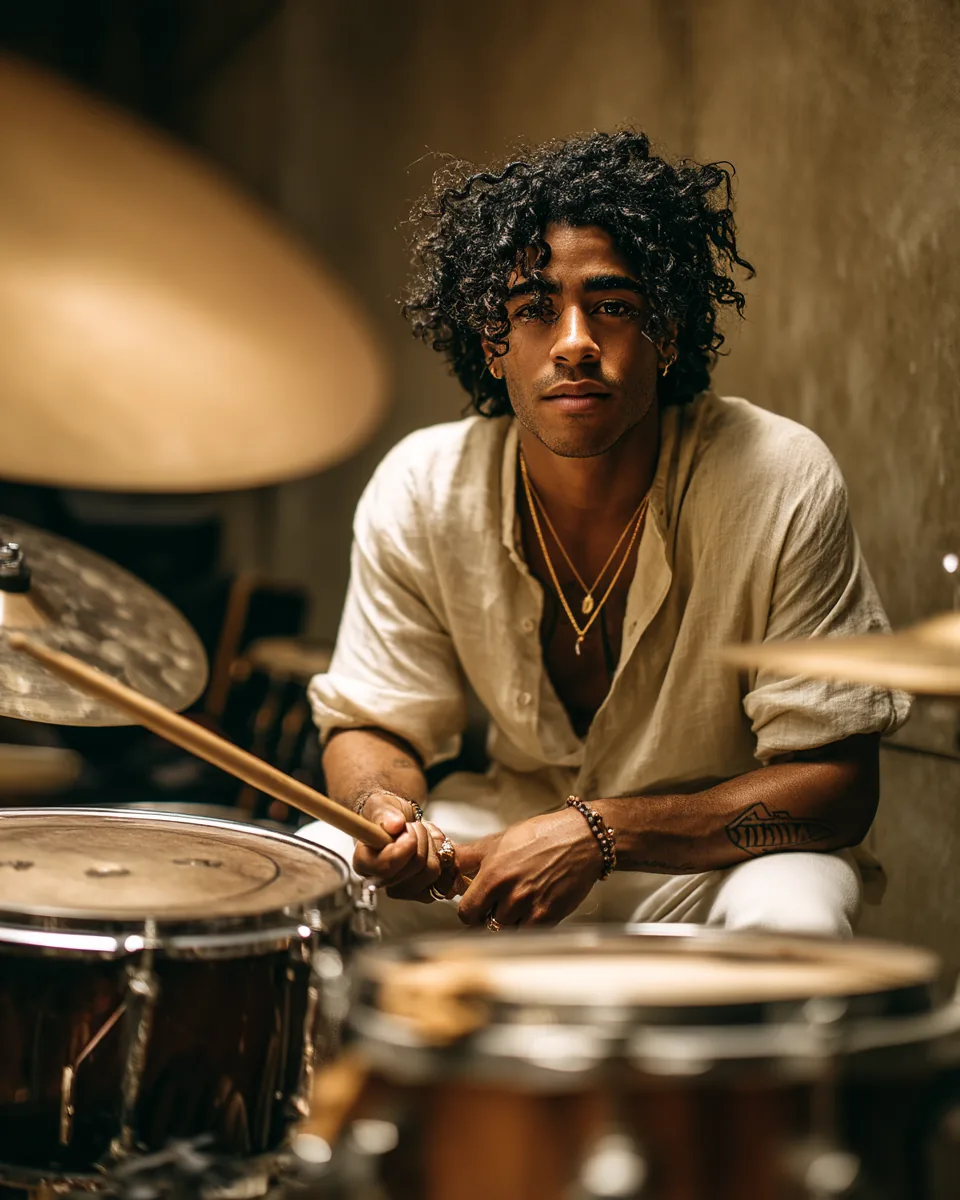
REMO

Remo Ángel Valdés Armenteros
Drums, Afro-Cuban Percussion, Co-composer
Spanish (Cuban register) · English

Juilliard-trained drummer (full scholarship, 2023) who learned batá drums from his mother — a rare female Lukumí-tradition initiate — before learning his father's jazz kit. Consecrated into the batá tradition, which permits him to play the sacred drums in secular contexts without violating the tradition's rules. His signature is polyrhythmic command across drum vocabularies that aren't supposed to speak to each other: rumba guaguancó on the toms, drum'n'bass on the hi-hat, hip-hop kick, all simultaneously. The 808 trigger on his kick drum turns his acoustic kit into a hybrid rhythm engine.

"The drums aren't mine. They're a conversation I'm having with people I inherited and people I found. I'm a relay, not an origin."

DJELI.808

~52 minutes · 10 tracks · International Anthem (Chicago) · 2026-06-12

DJELI.808

An argument disguised as a record. The thesis: the djeli — the hereditary Mandé musician-historian whose job for seven centuries has been to preserve knowledge through rhythm and melody — and the 808 — the Roland drum machine invented in 1980 — are the same technology. Both are machines for storing what a culture cannot afford to forget. The album opens in the oldest available register and gradually introduces the other instrument, the other tradition, the other technology. By track 10, it has proposed a future music that could not exist without the past it is built on.

Sonic Arc: Ancestral foundation → Diasporic collision → Speculative future
Mastering: Bob Ludwig
Mixing: Russell Elevado (D'Angelo, Erykah Badu, Common)
Recorded: Figure 8 Recording (Brooklyn) + Studio Bogolan (Bamako) + Estudio Areito (Havana) + Sequenza (Paris), Nov 2024 – Feb 2026
  1. 01
    Ouverture (Mandé)
    Album opens in the oldest register. Traditional Mandé piece performed as it has been for 600 years — Najma alone on kora, no production, no Remo.
    5:12 85 BPM Instrumental
  2. 02
    DJELI.808
    The thesis track. Kora and drum kit fully introduced. The 808 trigger fires beneath every kick. Both technologies say what they are: machines for remembering.
    4:38 140 BPM Instrumental
  3. 03
    Sunjata Reprise
    Najma sings an excerpt from the Sunjata epic — the founding poem of the Mali Empire — as her grandmother taught her aunt Hawa. Six-eight, slow build, drum kit enters at minute four.
    7:04 80 BPM Malinké (vocal)
  4. 04
    7/8 Blues
    Duo at 7/8. Blues form bent into Malian time. Remo's pocket holds the listener through a meter most rhythm sections fight.
    3:48 108 BPM Instrumental
  5. 05
    Bamako to Brooklyn
    Journey piece. Opens 4/4 at 70 BPM in Bamako, modulates through 6/8, lands at drum'n'bass-tempo Brooklyn. The map of routes the album proposes.
    6:21 120 BPM Instrumental
  6. 06
    Orisha
    Remo's batá tradition. Six-eight in batá time, Lukumí chant briefly, kora enters as the 'voice that does not yet have a name in this tradition.' A respectful dialogue between two sacred lineages.
    5:47 100 BPM Lukumí chant (brief)
  7. 07
    Taliana
    Ballad. Slowest tempo on the album. Kora and brushed drums. Named for Najma's aunt Hawa's stage name.
    4:55 70 BPM Instrumental
  8. 08
    Chucho (for Bebo)
    Three-four duet. Tribute to the Valdés piano lineage — Bebo first, then Chucho. Najma's kora plays the piano part.
    2:52 90 BPM Instrumental
  9. 09
    11/8 Dreams
    Virtuoso showpiece. 11/8 at 154 BPM. Showcases what two musicians under 25 can do with technical command on instruments that aren't supposed to speak to each other.
    5:31 154 BPM Instrumental
  10. 10
    The Old Future
    Closing statement. Najma sings in Malinké and English. Modulates from 88 to 120. Proposes a future music that could not exist without the past it is built on.
    6:02 100 BPM Malinké + English (vocal)