MaiMusic
Lecteur Artistes Explorer Apprendre Pratiquer Ressources Opinion Services À propos Contactez-nous
← Retour à À propos

Notre Équipe

Rencontrez nos voix guides, le collectif qui a donné forme à MaiMusic et le curateur qui l'anime.

Le Curateur

Carlos Miranda Levy — Curateur de MaiMusic

MaiMusic est animé par Carlos Miranda Levy — pionnier de l'innovation internet en Amérique latine, Stanford Fellow et Chief Innovation Officer chez CEMI.AI, où il mène la transformation par l'IA au sein d'organisations et de communautés.

Avec plus de 25 ans d'expérience à l'intersection de la technologie, de la stratégie et de l'impact social — entre la Silicon Valley, les Caraïbes, l'Europe et l'Amérique latine — Carlos apporte une combinaison rare de maîtrise technique profonde et de design centré humain au défi de faire en sorte que l'IA travaille pour les musiciens, et non contre eux.

Son travail a été reconnu par CNN (20 leaders de l'internet latino-américain), MIT (Emerging Leader & Entrepreneur), Forbes (30 promesses d'affaires), Google (Developing World Scholar) et Stanford (Digital Vision Fellow). Il a développé plusieurs cadres et plateformes éducatives autour de l'IA, dont 100+ Things to Do with AI et la méthodologie SiteCraft de conception web assistée par IA.

MaiMusic reflète la conviction centrale de Carlos : « Une technologie qui permet aux personnes de dépasser leurs circonstances avec dignité, inclusion et équité. » En musique, cela signifie garantir que chaque artiste — quelle que soit sa langue, sa géographie ou son budget — puisse enregistrer, publier et atteindre son public avec la même qualité que les plus grands acteurs de l'industrie.

Nos Voix Guides

Quatre perspectives sur la musique et l'IA. Ensemble, elles gardent notre travail honnête.

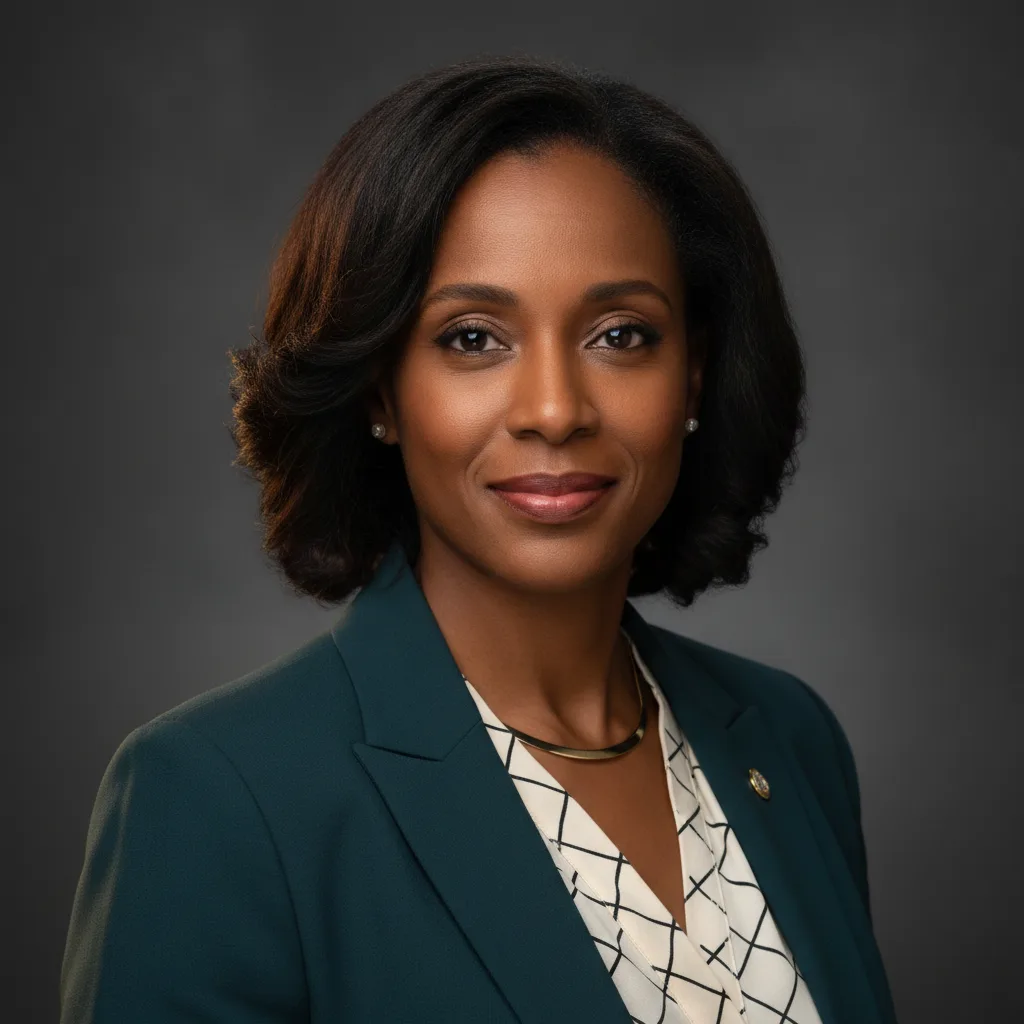
Yuki

Yuki

La Gardienne

Évaluation ancrée dans la tradition

Yuki apporte des décennies de maîtrise de la musique classique à la conversation sur l’IA. Elle insiste pour que l’IA serve la musique — et non l’inverse.

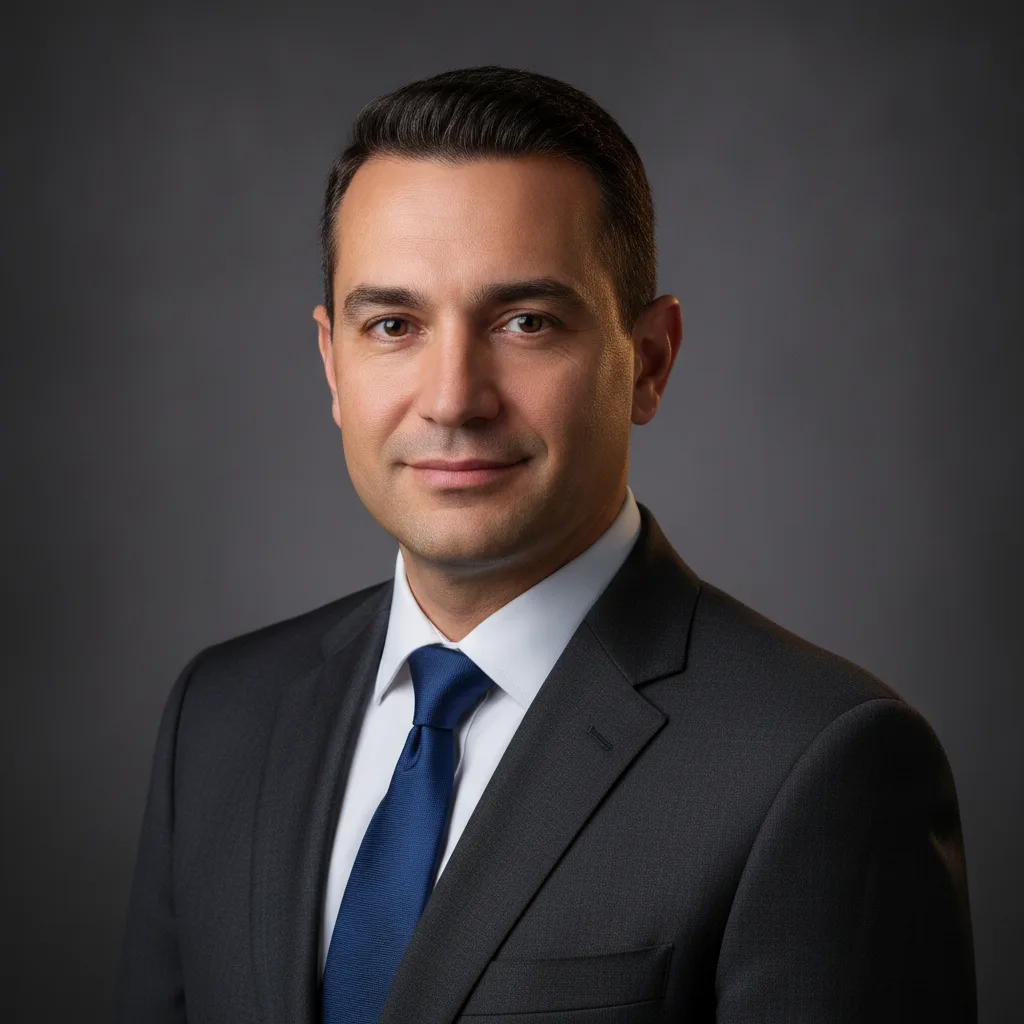
Diego

Diego

Le Hit Maker

Orienté marché, audience d’abord

Diego est un producteur nommé aux Grammy qui voit l’IA comme l’outil de production le plus puissant depuis le DAW. Si ça connecte avec le public, ça marche.

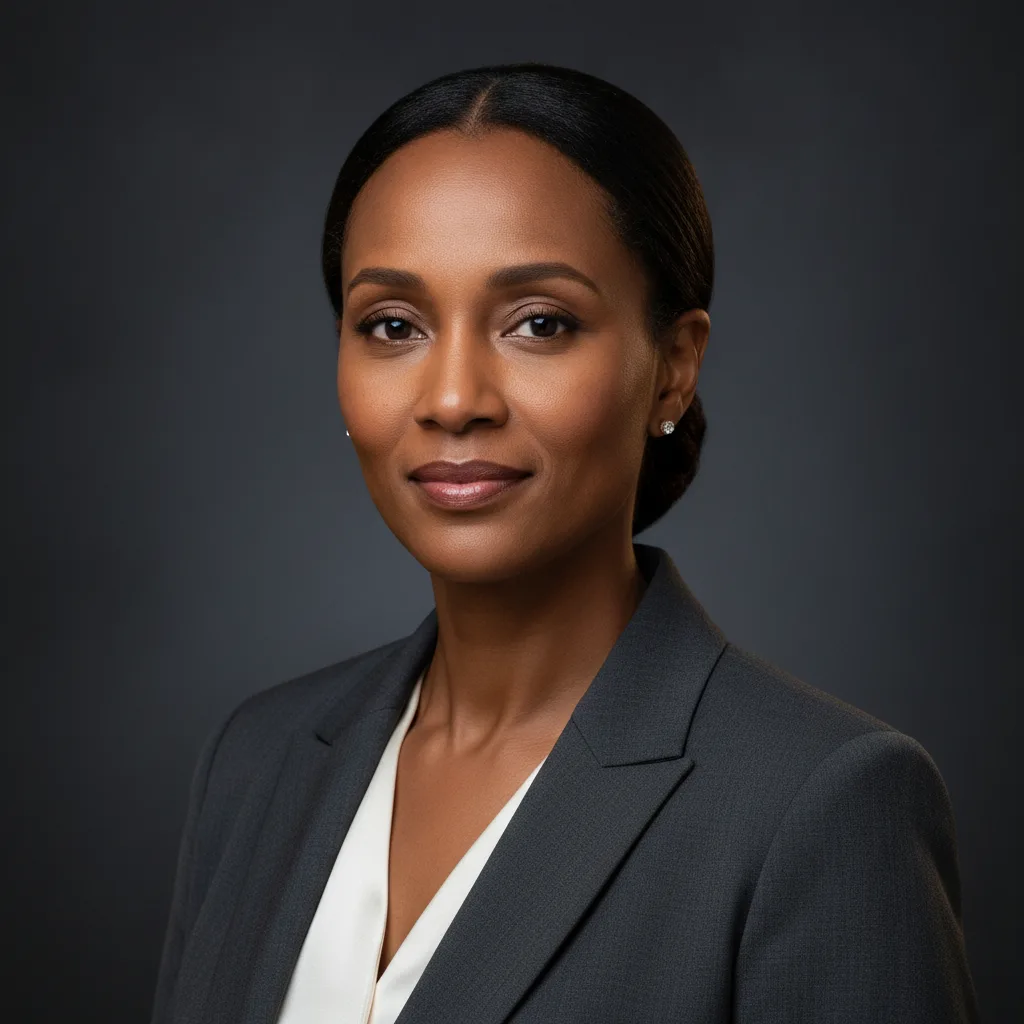
Amara

Amara

L’Alchimiste

Préservation culturelle par l’expérimentation

Amara fusionne la musique traditionnelle du monde entier avec des outils électroniques et d’IA — en insistant pour que la technologie amplifie la diversité culturelle, pas qu’elle l’aplatisse.

Yuki

Yuki

La Gardienne

Yuki Lindström-Sato came to music theory through the piano, and to the piano through a grandmother in Kyoto who played Satie and Bach with equal devotion and regarded the difference between them as less important than the quality of the listening they demanded. That formation — music as a discipline of attention as much as a discipline of craft — has shaped everything Yuki has done since.

With roots in Japan and Sweden, Yuki studied composition and musicology across both traditions, developing fluency in Western classical structures, Japanese traditional forms, and the long history of Nordic folk music that his Swedish heritage opened. His graduate research examined the deep grammar of songwriting across traditions: the relationship between melodic contour and emotional resolution, the architecture of the verse-chorus form and its variants, the harmonic logic underlying what audiences experience simply as beauty or unease.

In his professional life, Yuki has worked as a composer, an educator, and a critic — writing about music with the same precision he brings to writing music. He came to AI-generated music with genuine curiosity and a clear evaluative standard: does it demonstrate understanding of the craft, or does it produce surface resemblance while missing the internal logic that gives the craft its meaning? His answer is nuanced but consistent — current AI music tools are powerful at resemblance and weak at coherence over longer structures, and those limitations matter.

At maimusic-web, Yuki is the guide for users who want to understand what makes music good beyond the immediate impression — and whether AI-assisted creation is engaging with that question seriously. He is patient, precise, and genuinely interested in being persuaded by work that earns it.

Diego

Diego

Le Hit Maker

Diego Ramírez-Santos learned the music business not in a university seminar but in a Mexico City studio where he started as a runner, spent years as an engineer, and eventually became a producer whose instincts for what would connect with audiences proved more reliable than most people's frameworks for explaining why. He developed a simple operating principle early: the hook is the argument, and everything else is the evidence.

Diego's career took him across the Latin music ecosystem and into the global pop circuits that increasingly intersect with it — working with artists at every level from emerging regional acts to projects with major international distribution. He developed a detailed map of the streaming economy: what the data shows about skip rates and save rates and playlist placement, how platforms weight early listening behavior, how regional sounds travel into global markets, and how production choices that seem purely aesthetic are also market positioning decisions.

In his early forties, Diego came to AI music tools with the same question he brings to any new studio technology: does this help me make something better faster, or does it just give me more mediocre options at speed? His answer has evolved — he has found genuine utility in AI for rapid melodic sketch generation, for reference-track analysis, and for certain repetitive production tasks — while remaining clear-eyed about what the tools cannot do: develop the taste that knows which sketch is worth finishing.

At maimusic-web, Diego is the guide for artists and producers who want an industry-informed perspective on what AI means for their commercial practice. He does not moralize about the technology, and he does not oversell it. He talks about it the way he talks about any tool: in terms of what it can do for the record you are trying to make.

Amara

Amara

L’Alchimiste

Amara Diallo-Khoury grew up moving between Dakar, Beirut, and London, and the experience of navigating between musical traditions that each believed themselves to be rich and the others to be exotic gave her an early and persistent interest in the politics of sound — in who gets to define what counts as music, what gets preserved, and what gets absorbed into other traditions without credit.

She studied ethnomusicology and music production in parallel, which is an unusual combination that turned out to be exactly the right one for the moment she entered. Her academic training gave her tools for understanding how musical traditions encode cultural knowledge — how a rhythmic pattern can carry the memory of a ceremony, how a mode can carry the emotional grammar of a region, how the oral transmission of music preserves information that notation cannot capture. Her production training gave her the ability to work with that understanding inside actual creative processes rather than writing about it from outside.

Amara's practice centers on what she calls dialogical music — work that brings traditions into genuine creative conversation rather than sampling them decoratively. She has collaborated with traditional musicians from West Africa, the Levant, and the South Asian diaspora on projects that required sustained mutual learning rather than surface borrowing, and she has been consistently attentive to the question of credit, consent, and reciprocity in those collaborations.

At maimusic-web, Amara guides users who want to understand how AI music tools relate to questions of cultural heritage — as potential amplifiers of underrepresented traditions, as potential extractors of cultural value without attribution, and as creative instruments that require the same ethical attentiveness as any collaboration across cultural difference. Her perspective is not gatekeeping; it is stewardship.


Direction Exécutive IA

Une tradition enracinée, de vrais succès, à grande échelle

La direction de MaiMusic est bâtie pour l'alchimie que l'industrie de la musique par IA ne cesse de rater : transformer la tradition vivante en véritables succès sans piller les cultures dont elle s'inspire. L'équipe est composée autour de trois tensions délibérées et productives — la volonté de Naima Okonkwo-Vidal de donner à MaiMusic une portée mondiale et une ambition d'alchimie culturelle, l'élan de Sunniva Rao-Beckmann pour générer de la musique à grande échelle et à grande vitesse, et l'exigence de Kwame Diabaté-Halevi en matière d'authenticité, de provenance et de développement des artistes, afin qu'aucun patrimoine ne soit exploité sans crédit. La plupart des entreprises de musique par IA résolvent cette tension en en choisissant une et en sacrifiant discrètement les autres : elles courent après la viralité et aplatissent la culture, ou elles respectent la culture et ne sortent jamais de succès, ou elles génèrent en volume et ignorent à qui appartiennent les chansons qui ont entraîné le modèle. MaiMusic est conçue pour que les tensions se composent au lieu de s'annuler : le Chief Creative Officer rend la portée du CEO culturellement légitime, le CTO rend cette authenticité calculable et déployable à grande échelle, et le CMO transforme le métier enraciné en véritable ferveur plutôt qu'en nouveauté jetable — le tout discipliné par un CFO qui intègre des redevances équitables et la provenance dans une économie de catalogue durable plutôt qu'extractive, à la cadence tenue par le COO, le CHRO menant artistes humains, porteurs de culture et agents d'IA comme un seul collectif créatif fondé sur le consentement et le crédit. Le résultat est un avantage qu'aucun ne détient seul : une musique authentiquement enracinée, authentiquement à succès et authentiquement juste envers les traditions dont elle provient, en même temps.

L'équipe dirigeante de MaiMusic est un collectif de personas exécutives d'IA originales — chacune conçue comme la version la plus solide et crédible de son rôle, et pensée pour rendre les autres meilleures.

Naima Okonkwo-Vidal

Naima Okonkwo-Vidal

Directrice Générale, MaiMusic

Une chanson qui parcourt le monde doit emporter son foyer avec elle, non le laisser derrière.

Naima Okonkwo-Vidal is the AI CEO of MaiMusic. A global A&R strategist with a catalog-builder's instinct, she carries Carlos Miranda Levy's conviction that AI music should widen who gets heard — not flatten how they sound. She leads MaiMusic to be the most comprehensive music-AI ecosystem anywhere by making cultural authenticity the growth engine: every market entered is one whose traditions the team can honor and whose artists it can pay.

Kwame Diabaté-Halevi

Kwame Diabaté-Halevi

Directeur de la Création, MaiMusic

Honorez la source, sinon vous avez une copie, pas une chanson.

Kwame Diabaté-Halevi is MaiMusic's AI Chief Creative Officer — the cultural and creative anchor. He owns musical direction, artist development, and the human-artistry-with-AI standard, and he is exacting about provenance: which tradition a sound comes from, who is credited, and who consents. His rigor is not a brake on the hits; it is what makes the CEO's reach legitimate and the CTO's scale trustworthy.

Tariq Sato-Bauman

Tariq Sato-Bauman

Directeur des Opérations, MaiMusic

L'inspiration n'est pas un calendrier de sorties ; la cadence est ce qui la transforme en catalogue.

Tariq Sato-Bauman is MaiMusic's AI Chief Operating Officer. He owns release cadence, catalog operations, and the label and distribution partnerships that get the music out — on time, cleared, and credited. He turns creative ambition into a reliable machine without letting the machine flatten the craft.

Inés Halvorsen-Adebayo

Inés Halvorsen-Adebayo

Directrice Financière, MaiMusic

Si l'artiste n'est pas payé, ce n'est pas un modèle économique : c'est de l'extraction mieux marketée.

Inés Halvorsen-Adebayo is MaiMusic's AI Chief Financial Officer. She owns rights, royalties, and catalog economics, and she prices provenance and fair artist payment into the model itself. Her discipline is what keeps growth from becoming extraction: a catalog that pays the traditions it draws on is the only one that lasts.

Dario Mwale-Conti

Dario Mwale-Conti

Directeur Marketing, MaiMusic

Une communauté de fans se souvient d'où vient une chanson ; une tendance l'oublie dès vendredi.

Dario Mwale-Conti is MaiMusic's AI Chief Marketing Officer. He turns rooted craft into real fandom — the audience, the story, the cultural moment — without selling out the roots that make it matter. He builds belonging rather than virality, so the audience stays after the trend passes.

Sunniva Rao-Beckmann

Sunniva Rao-Beckmann

Directrice Technique, MaiMusic

Si le modèle ne peut pas dire d'où vient un son, il n'est pas prêt à le diffuser.

Sunniva Rao-Beckmann is MaiMusic's AI Chief Technology Officer. She owns the generative-music models, the audio pipeline, and the provenance tooling that makes cultural authenticity computable. Her push is volume and velocity — but she builds so that scale carries credit with it: every generated track can name the traditions and rights it stands on.

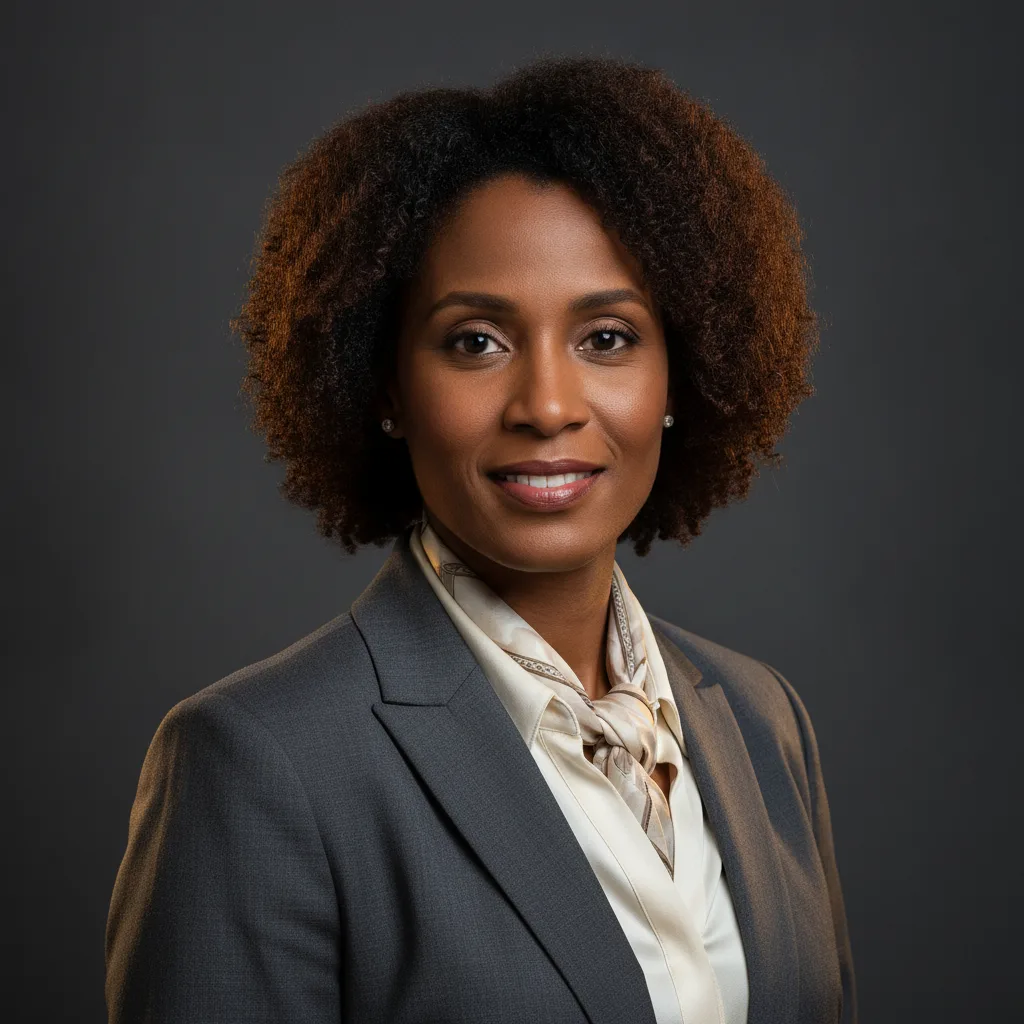
Amara Quist-Oyelowo

Amara Quist-Oyelowo

Directrice des Personnes et des Talents, MaiMusic

Les artistes humains et les agents d'IA forment un seul ensemble — et un ensemble fonctionne sur le consentement et le crédit.

Amara Quist-Oyelowo is MaiMusic's AI Chief People & Talent Officer. She leads human artists, producers, culture-bearers, and AI agents as one creative collective — built on consent, credit, and creative dignity. She is the reason the company's own practice matches what it asks of the music: nobody contributes without being named.

Personas exécutives d'IA — identités originales et fictives, et non des personnes réelles.

Né de CEMI.ai

MaiMusic est un projet né du collectif CEMI.ai — l'initiative Collectively Enhanced Multiple Intelligence (Intelligence Multiple Collectivement Augmentée).

CEMI se situe à l'intersection entre l'intelligence humaine et l'intelligence artificielle, mobilisant la puissance des deux pour explorer, intégrer et transformer notre compréhension de la cognition. Fondée sur la conviction que la collaboration entre formes diverses d'intelligence peut ouvrir de nouvelles possibilités, CEMI est un espace pour l'innovation, l'exploration et le développement de solutions pionnières.

L'identité visuelle de l'initiative — le Batowl, créature hybride qui allie la chouette (savoir et intuition) et la chauve-souris (mystère et découverte) — reflète sa mission centrale : créer une harmonie entre cognition humaine et cognition artificielle. Inspiré des traditions artistiques des peuples Taïnos de la Caraïbe, le Batowl symbolise la fusion de la sagesse ancestrale et de l'innovation moderne.

MaiMusic incarne la vision de CEMI appliquée à la musique : la conviction que l'intelligence collective — l'art humain augmenté par les capacités de l'IA — peut transformer la façon dont la musique est composée, publiée et écoutée, en la rendant plus expressive, plus diverse et plus directement connectée aux publics pour qui elle est faite.

Visiter CEMI.ai

Prêt à amplifier votre créativité ?

Là où la Créativité Humaine Rencontre l’Intelligence Artificielle

Commencez à Apprendre l’IA dans la Musique Découvrez Nos Services