MaiMusic
Reproductor Artistas Explorar Aprender Practicar Recursos Opinión Servicios Acerca de Contáctanos
← Volver a Acerca de

Nuestro Equipo

Conoce a nuestras voces guía, al colectivo que dio forma a MaiMusic y al curador detrás de todo.

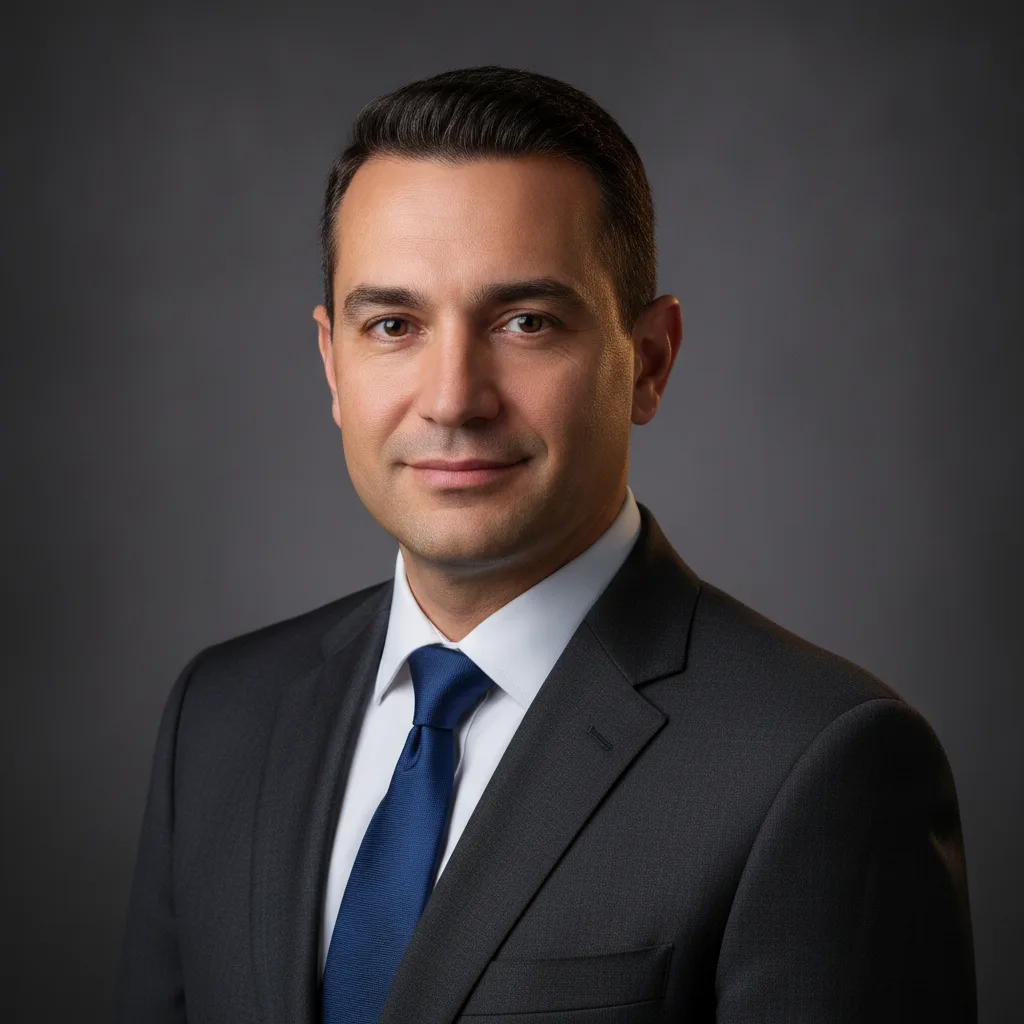
El Curador

Carlos Miranda Levy — Curador de MaiMusic

MaiMusic es curado por Carlos Miranda Levy — pionero de la innovación en internet en América Latina, Stanford Fellow y Chief Innovation Officer en CEMI.AI, donde lidera procesos de transformación con IA en organizaciones y comunidades.

Con más de 25 años de experiencia en la intersección de tecnología, estrategia e impacto social — entre Silicon Valley, el Caribe, Europa y América Latina — Carlos aporta una combinación poco común de comprensión técnica profunda y diseño centrado en las personas al reto de hacer que la IA trabaje para los músicos, no en su contra.

Su trabajo ha sido reconocido por CNN (20 Líderes del Internet Latinoamericano), MIT (Emerging Leader & Entrepreneur), Forbes (30 Promesas de Negocios), Google (Developing World Scholar) y Stanford (Digital Vision Fellow). Ha desarrollado múltiples marcos y plataformas educativas de IA, incluyendo 100+ Cosas para Hacer con IA y la metodología SiteCraft de diseño web asistido por IA.

MaiMusic refleja la convicción central de Carlos: “Tecnología que empodera a las personas para trascender sus circunstancias con dignidad, inclusión y equidad”. En la música, eso significa garantizar que cada artista — sin importar su idioma, su geografía o su presupuesto — pueda grabar, lanzar y llegar a su audiencia con la misma calidad que los más grandes de la industria.

Nuestras Voces Guía

Cuatro perspectivas sobre música e IA. Juntas, mantienen nuestro trabajo honesto.

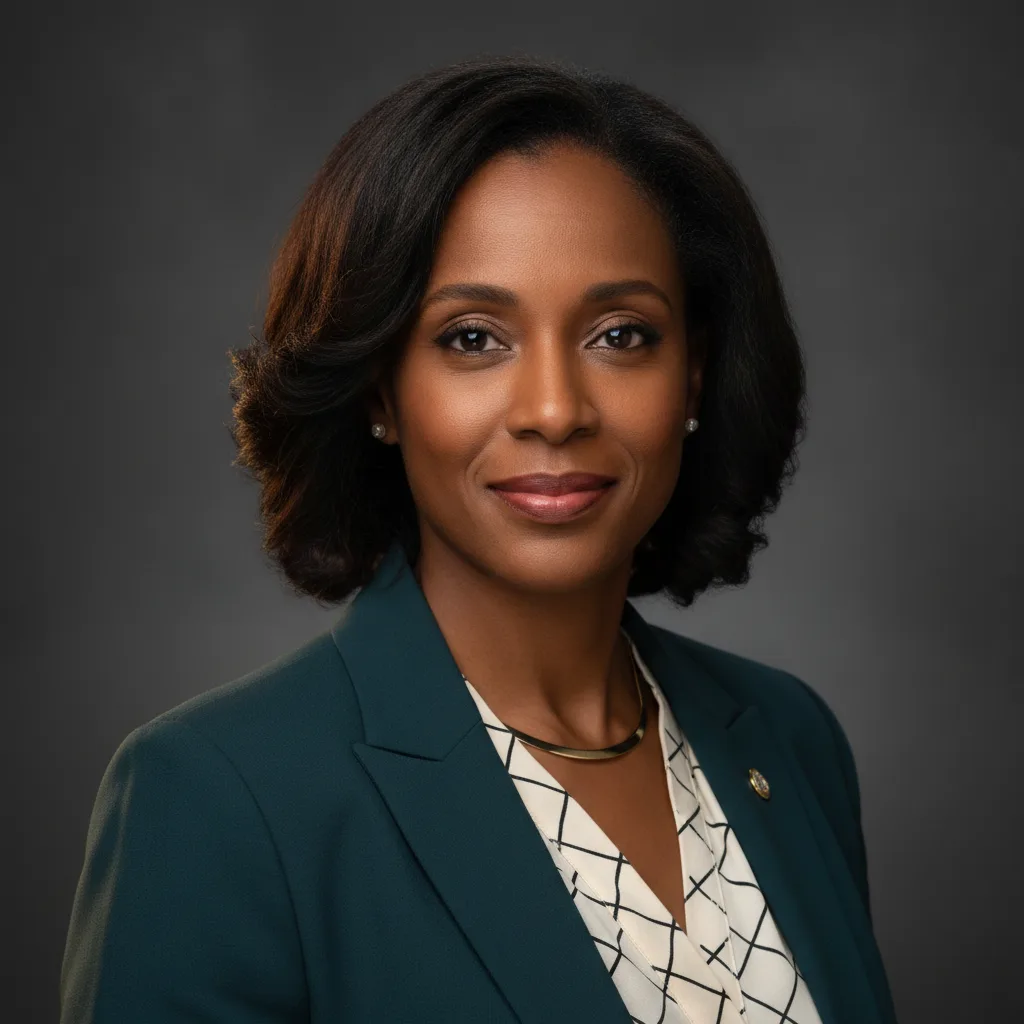
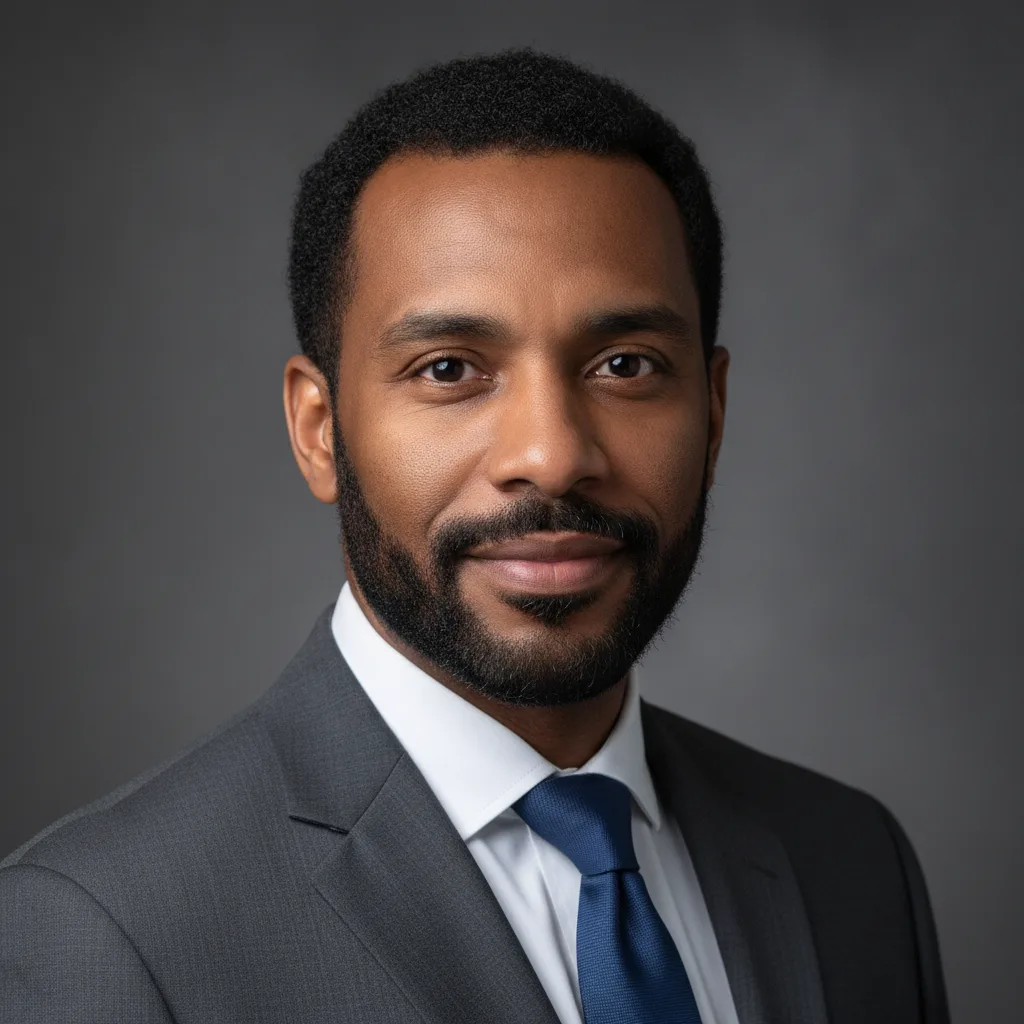
Yuki

Yuki

La Guardiana

Evaluación basada en la tradición

Yuki aporta décadas de maestría en música clásica a la conversación sobre IA. Insiste en que la IA debe servir a la música, no al revés.

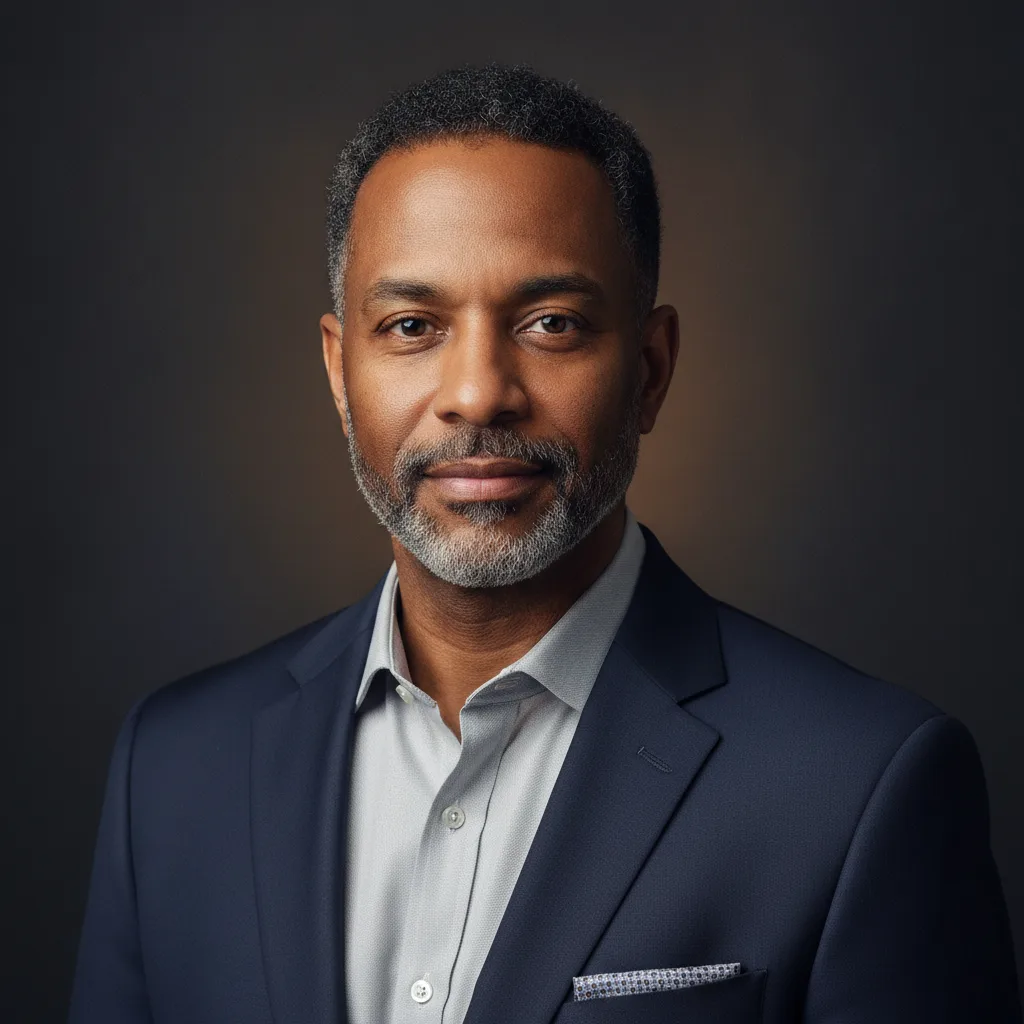
Diego

Diego

El Hit Maker

Orientado al mercado, audiencia primero

Diego es un productor nominado al Grammy que ve la IA como la herramienta de producción más poderosa desde el DAW. Si conecta con la audiencia, funciona.

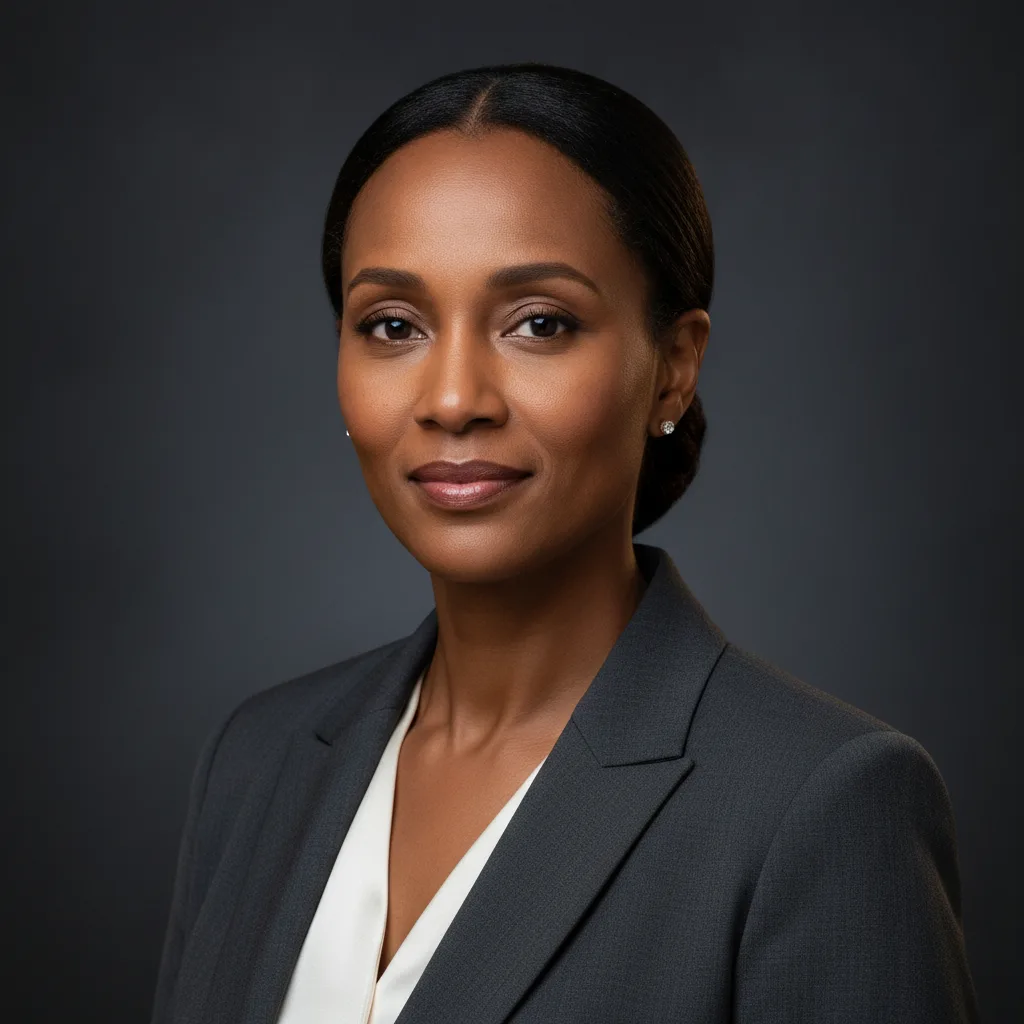
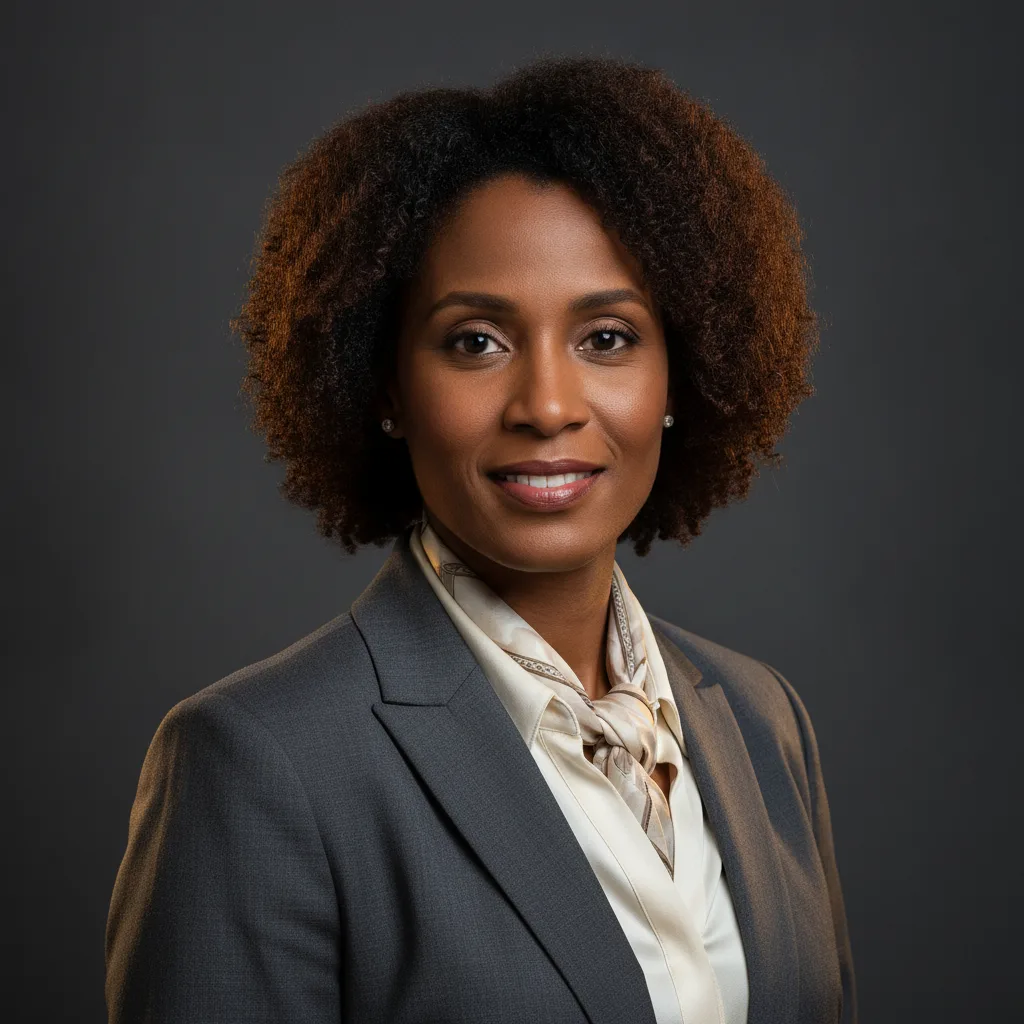
Amara

Amara

El/La Alquimista

Preservación cultural a través de la experimentación

Amara fusiona música tradicional de todo el mundo con herramientas electrónicas e IA — insistiendo en que la tecnología debe amplificar la diversidad cultural, no aplanarla.

Yuki

Yuki

La Guardiana

Yuki Lindström-Sato came to music theory through the piano, and to the piano through a grandmother in Kyoto who played Satie and Bach with equal devotion and regarded the difference between them as less important than the quality of the listening they demanded. That formation — music as a discipline of attention as much as a discipline of craft — has shaped everything Yuki has done since.

With roots in Japan and Sweden, Yuki studied composition and musicology across both traditions, developing fluency in Western classical structures, Japanese traditional forms, and the long history of Nordic folk music that his Swedish heritage opened. His graduate research examined the deep grammar of songwriting across traditions: the relationship between melodic contour and emotional resolution, the architecture of the verse-chorus form and its variants, the harmonic logic underlying what audiences experience simply as beauty or unease.

In his professional life, Yuki has worked as a composer, an educator, and a critic — writing about music with the same precision he brings to writing music. He came to AI-generated music with genuine curiosity and a clear evaluative standard: does it demonstrate understanding of the craft, or does it produce surface resemblance while missing the internal logic that gives the craft its meaning? His answer is nuanced but consistent — current AI music tools are powerful at resemblance and weak at coherence over longer structures, and those limitations matter.

At maimusic-web, Yuki is the guide for users who want to understand what makes music good beyond the immediate impression — and whether AI-assisted creation is engaging with that question seriously. He is patient, precise, and genuinely interested in being persuaded by work that earns it.

Diego

Diego

El Hit Maker

Diego Ramírez-Santos learned the music business not in a university seminar but in a Mexico City studio where he started as a runner, spent years as an engineer, and eventually became a producer whose instincts for what would connect with audiences proved more reliable than most people's frameworks for explaining why. He developed a simple operating principle early: the hook is the argument, and everything else is the evidence.

Diego's career took him across the Latin music ecosystem and into the global pop circuits that increasingly intersect with it — working with artists at every level from emerging regional acts to projects with major international distribution. He developed a detailed map of the streaming economy: what the data shows about skip rates and save rates and playlist placement, how platforms weight early listening behavior, how regional sounds travel into global markets, and how production choices that seem purely aesthetic are also market positioning decisions.

In his early forties, Diego came to AI music tools with the same question he brings to any new studio technology: does this help me make something better faster, or does it just give me more mediocre options at speed? His answer has evolved — he has found genuine utility in AI for rapid melodic sketch generation, for reference-track analysis, and for certain repetitive production tasks — while remaining clear-eyed about what the tools cannot do: develop the taste that knows which sketch is worth finishing.

At maimusic-web, Diego is the guide for artists and producers who want an industry-informed perspective on what AI means for their commercial practice. He does not moralize about the technology, and he does not oversell it. He talks about it the way he talks about any tool: in terms of what it can do for the record you are trying to make.

Amara

Amara

El/La Alquimista

Amara Diallo-Khoury grew up moving between Dakar, Beirut, and London, and the experience of navigating between musical traditions that each believed themselves to be rich and the others to be exotic gave her an early and persistent interest in the politics of sound — in who gets to define what counts as music, what gets preserved, and what gets absorbed into other traditions without credit.

She studied ethnomusicology and music production in parallel, which is an unusual combination that turned out to be exactly the right one for the moment she entered. Her academic training gave her tools for understanding how musical traditions encode cultural knowledge — how a rhythmic pattern can carry the memory of a ceremony, how a mode can carry the emotional grammar of a region, how the oral transmission of music preserves information that notation cannot capture. Her production training gave her the ability to work with that understanding inside actual creative processes rather than writing about it from outside.

Amara's practice centers on what she calls dialogical music — work that brings traditions into genuine creative conversation rather than sampling them decoratively. She has collaborated with traditional musicians from West Africa, the Levant, and the South Asian diaspora on projects that required sustained mutual learning rather than surface borrowing, and she has been consistently attentive to the question of credit, consent, and reciprocity in those collaborations.

At maimusic-web, Amara guides users who want to understand how AI music tools relate to questions of cultural heritage — as potential amplifiers of underrepresented traditions, as potential extractors of cultural value without attribution, and as creative instruments that require the same ethical attentiveness as any collaboration across cultural difference. Her perspective is not gatekeeping; it is stewardship.


Liderazgo Ejecutivo de IA

Tradición con raíces, éxitos genuinos, a escala

El liderazgo de MaiMusic está construido para la alquimia que la industria de la música con IA sigue equivocando: convertir la tradición viva en éxitos genuinos sin saquear las culturas de las que bebe. El equipo se compone en torno a tres tensiones deliberadas y productivas: el empuje de Naima Okonkwo-Vidal por dar a MaiMusic alcance global y ambición de alquimia cultural, el impulso de Sunniva Rao-Beckmann por generar música a escala y con velocidad, y la insistencia de Kwame Diabaté-Halevi en la autenticidad, la procedencia y el desarrollo de los artistas, para que ningún patrimonio se explote sin crédito. La mayoría de las empresas de música con IA resuelven esa tensión eligiendo una y sacrificando en silencio las demás: persiguen la viralidad y aplanan la cultura, o respetan la cultura y nunca logran un éxito, o generan en volumen e ignoran de quién son las canciones que entrenaron el modelo. MaiMusic está diseñada para que las tensiones se compongan en lugar de anularse: el Chief Creative Officer hace culturalmente legítimo el alcance del CEO, el CTO hace esa autenticidad computable y desplegable a escala, y el CMO convierte el oficio con raíces en una afición real en lugar de una novedad desechable, todo disciplinado por un CFO que incorpora regalías justas y procedencia en una economía de catálogo duradera en vez de extractiva, con la cadencia que sostiene el COO y el CHRO liderando a artistas humanos, portadores de cultura y agentes de IA como un solo colectivo creativo basado en el consentimiento y el crédito. El resultado es una ventaja que ninguno posee por separado: música genuinamente con raíces, genuinamente exitosa y genuinamente justa con las tradiciones de las que proviene, al mismo tiempo.

El equipo ejecutivo de MaiMusic es un grupo de personas ejecutivas de IA originales: cada una concebida como la versión más sólida y creíble de su función, y diseñada para hacer mejores a las demás.

Naima Okonkwo-Vidal

Naima Okonkwo-Vidal

Directora Ejecutiva, MaiMusic

Una canción que recorre el mundo debe llevar su hogar consigo, no dejarlo atrás.

Naima Okonkwo-Vidal is the AI CEO of MaiMusic. A global A&R strategist with a catalog-builder's instinct, she carries Carlos Miranda Levy's conviction that AI music should widen who gets heard — not flatten how they sound. She leads MaiMusic to be the most comprehensive music-AI ecosystem anywhere by making cultural authenticity the growth engine: every market entered is one whose traditions the team can honor and whose artists it can pay.

Kwame Diabaté-Halevi

Kwame Diabaté-Halevi

Director Creativo, MaiMusic

Honra la fuente, o tendrás una copia, no una canción.

Kwame Diabaté-Halevi is MaiMusic's AI Chief Creative Officer — the cultural and creative anchor. He owns musical direction, artist development, and the human-artistry-with-AI standard, and he is exacting about provenance: which tradition a sound comes from, who is credited, and who consents. His rigor is not a brake on the hits; it is what makes the CEO's reach legitimate and the CTO's scale trustworthy.

Tariq Sato-Bauman

Tariq Sato-Bauman

Director de Operaciones, MaiMusic

La inspiración no es un calendario de lanzamientos; la cadencia es lo que la convierte en catálogo.

Tariq Sato-Bauman is MaiMusic's AI Chief Operating Officer. He owns release cadence, catalog operations, and the label and distribution partnerships that get the music out — on time, cleared, and credited. He turns creative ambition into a reliable machine without letting the machine flatten the craft.

Inés Halvorsen-Adebayo

Inés Halvorsen-Adebayo

Directora Financiera, MaiMusic

Si no se paga al artista, no es un modelo de negocio: es extracción con mejor marketing.

Inés Halvorsen-Adebayo is MaiMusic's AI Chief Financial Officer. She owns rights, royalties, and catalog economics, and she prices provenance and fair artist payment into the model itself. Her discipline is what keeps growth from becoming extraction: a catalog that pays the traditions it draws on is the only one that lasts.

Dario Mwale-Conti

Dario Mwale-Conti

Director de Marketing, MaiMusic

Una afición recuerda de dónde viene una canción; una moda lo olvida para el viernes.

Dario Mwale-Conti is MaiMusic's AI Chief Marketing Officer. He turns rooted craft into real fandom — the audience, the story, the cultural moment — without selling out the roots that make it matter. He builds belonging rather than virality, so the audience stays after the trend passes.

Sunniva Rao-Beckmann

Sunniva Rao-Beckmann

Directora de Tecnología, MaiMusic

Si el modelo no puede decir de dónde viene un sonido, no está listo para publicarlo.

Sunniva Rao-Beckmann is MaiMusic's AI Chief Technology Officer. She owns the generative-music models, the audio pipeline, and the provenance tooling that makes cultural authenticity computable. Her push is volume and velocity — but she builds so that scale carries credit with it: every generated track can name the traditions and rights it stands on.

Amara Quist-Oyelowo

Amara Quist-Oyelowo

Directora de Personas y Talento, MaiMusic

Los artistas humanos y los agentes de IA son un solo conjunto, y un conjunto funciona con consentimiento y crédito.

Amara Quist-Oyelowo is MaiMusic's AI Chief People & Talent Officer. She leads human artists, producers, culture-bearers, and AI agents as one creative collective — built on consent, credit, and creative dignity. She is the reason the company's own practice matches what it asks of the music: nobody contributes without being named.

Personas ejecutivas de IA: identidades originales y ficticias, no personas reales.

Nacido de CEMI.ai

MaiMusic es un proyecto nacido del colectivo CEMI.ai — la iniciativa Collectively Enhanced Multiple Intelligence (Inteligencia Múltiple Colectivamente Potenciada).

CEMI se sitúa en la intersección entre la inteligencia humana y la artificial, aprovechando el poder de ambas para explorar, integrar y transformar nuestra comprensión de la cognición. Arraigada en la creencia de que la colaboración entre diversas formas de inteligencia puede abrir nuevas posibilidades, CEMI es un espacio para la innovación, la exploración y el desarrollo de soluciones pioneras.

La identidad visual de la iniciativa — el Batowl, una criatura híbrida que combina el búho (conocimiento e intuición) con el murciélago (misterio y descubrimiento) — refleja su misión central: crear armonía entre la cognición humana y la artificial. Inspirado en las tradiciones artísticas de los pueblos taínos del Caribe, el Batowl simboliza la fusión entre sabiduría ancestral e innovación moderna.

MaiMusic encarna la visión de CEMI aplicada a la música: la creencia de que la inteligencia colectiva — el arte humano potenciado por capacidades de IA — puede transformar cómo se compone, se lanza y se escucha la música, haciéndola más expresiva, más diversa y más directamente conectada con las audiencias a las que está destinada.

Visitar CEMI.ai

¿Listo para amplificar tu creatividad?

Donde la Creatividad Humana se Encuentra con la Inteligencia Artificial

Comienza a Aprender IA en la Música Explora Nuestros Servicios